When couples begin planning their reception tables, tall flower arrangements are often the first image they picture. These arrangements draw the eye upward, filling vertical spaces with intention. And knowing when to use them, how to build them, and what makes them feel elevated takes careful planning. That planning goes well beyond just picking beautiful blooms.
Hi! We’re Verdeaux & Co., a full-service wedding planning and design studio serving Tennessee and New Mexico. We create refined, immersive celebrations where every detail feels cohesive. In fact, floral scale is one of the first conversations we have with each couple. We treat it as a foundational decision because it shapes how the reception reads the moment guests walk in.
In this post, we’re covering everything you need to know about tall flower arrangements. We’ll walk through vessels, bloom selection, and room proportion. We’re also sharing how to mix tall and low centerpieces for balance. Finally, we’ll explain how to brief your florist so the final result reflects your inspiration board. When you’re ready to start planning, learn more about our planning services, browse our portfolio, or contact us to get started!
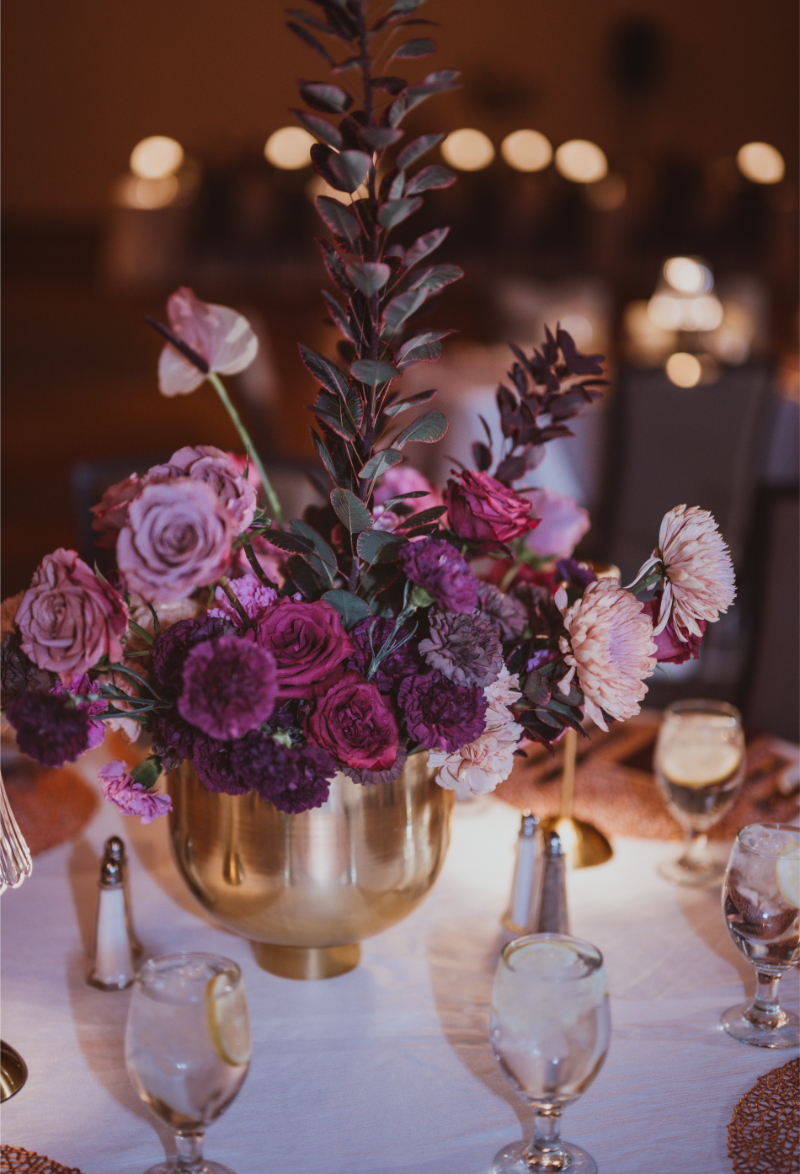
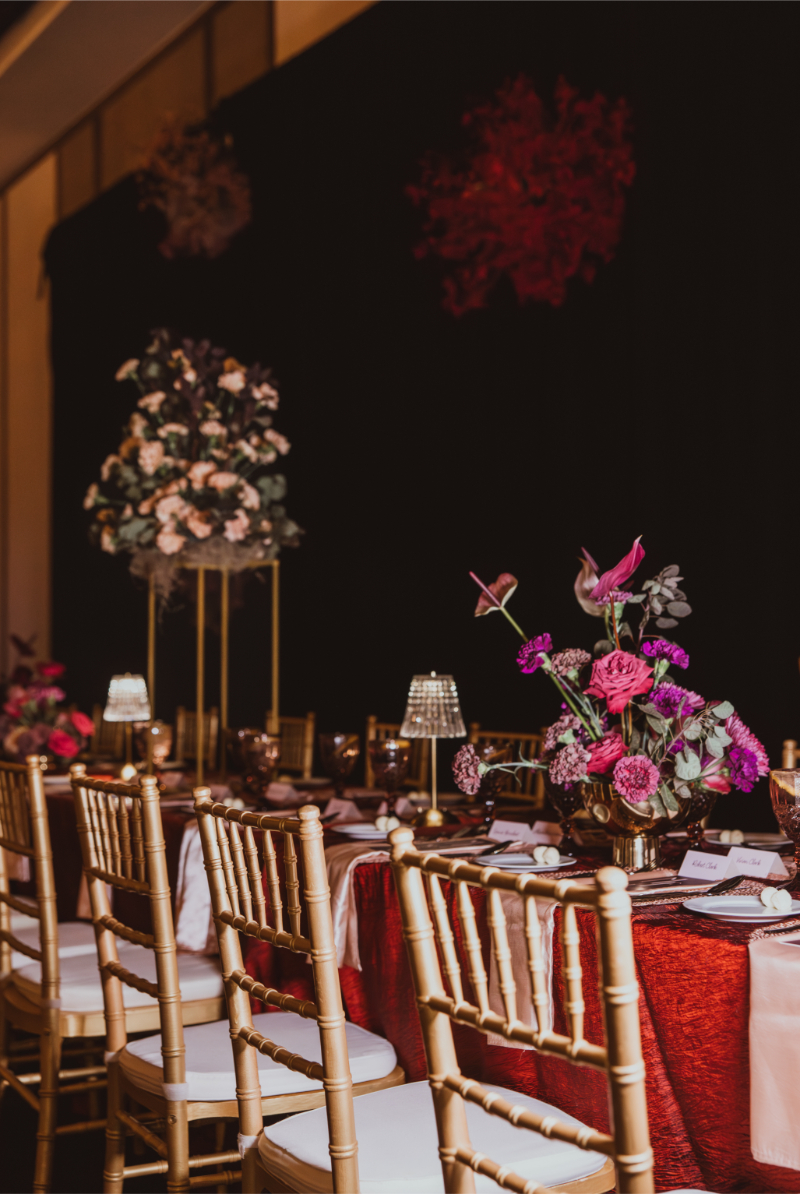
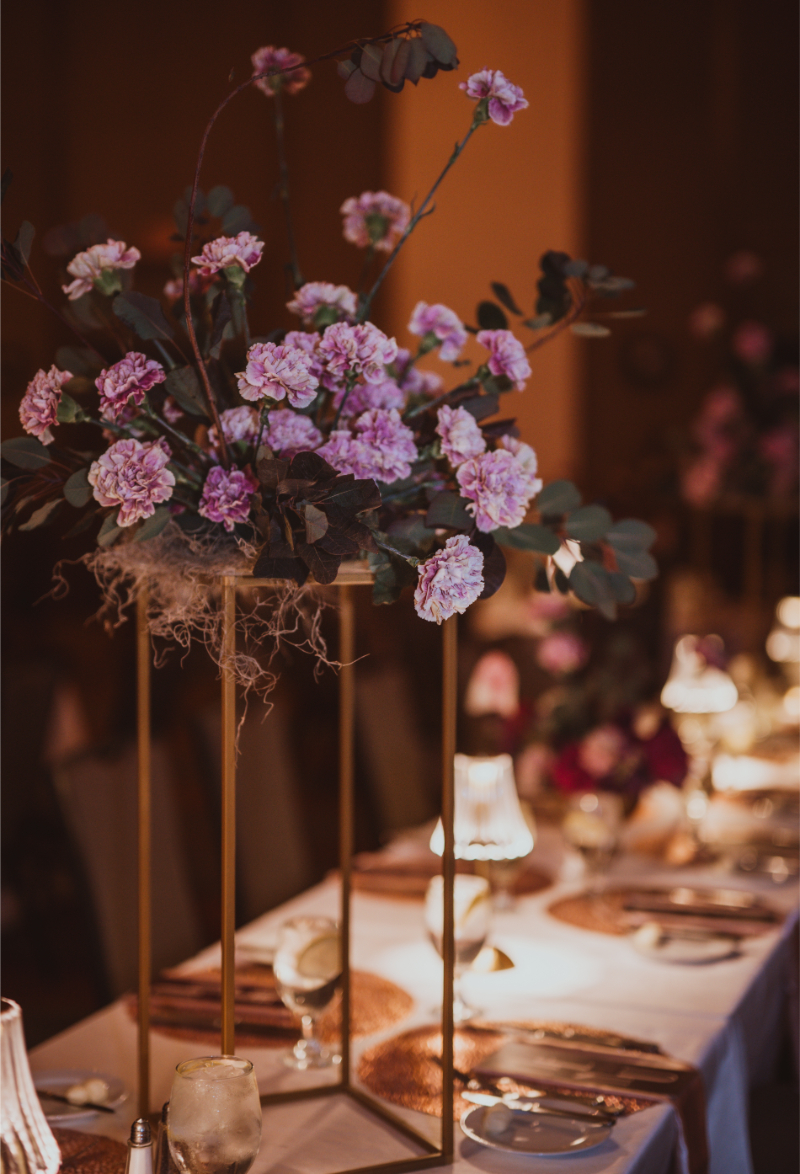
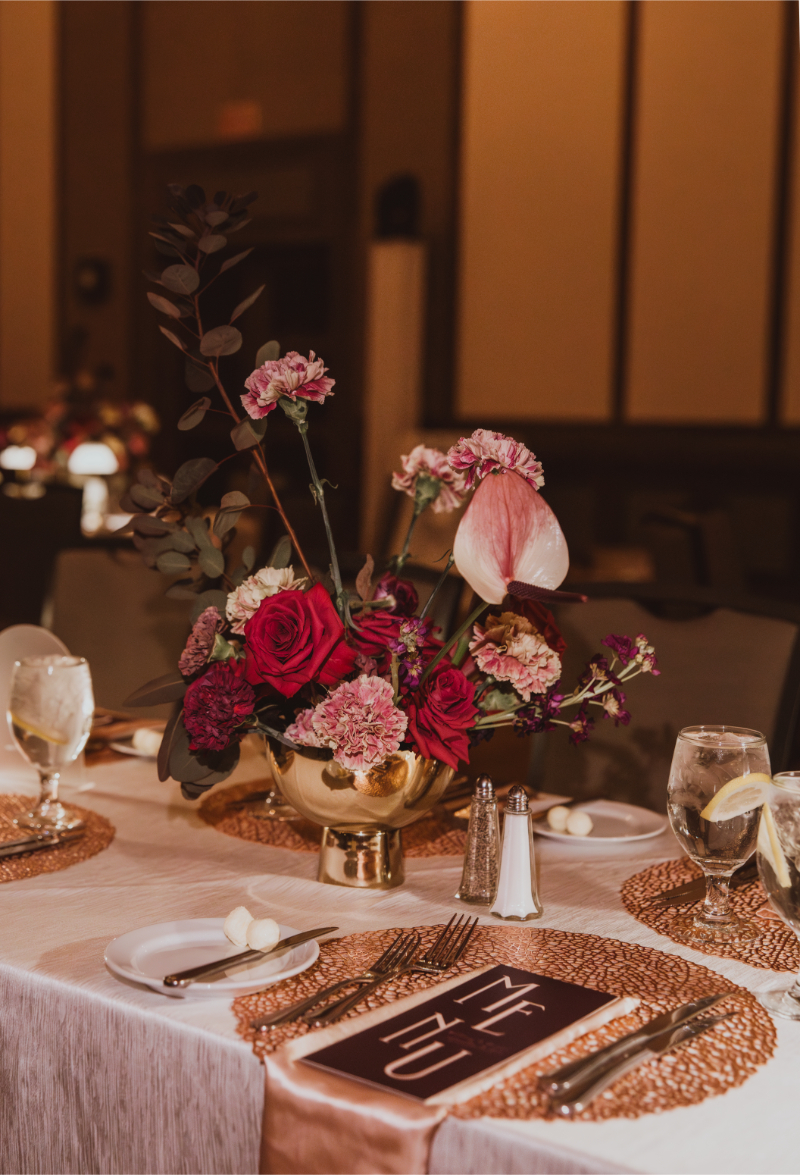
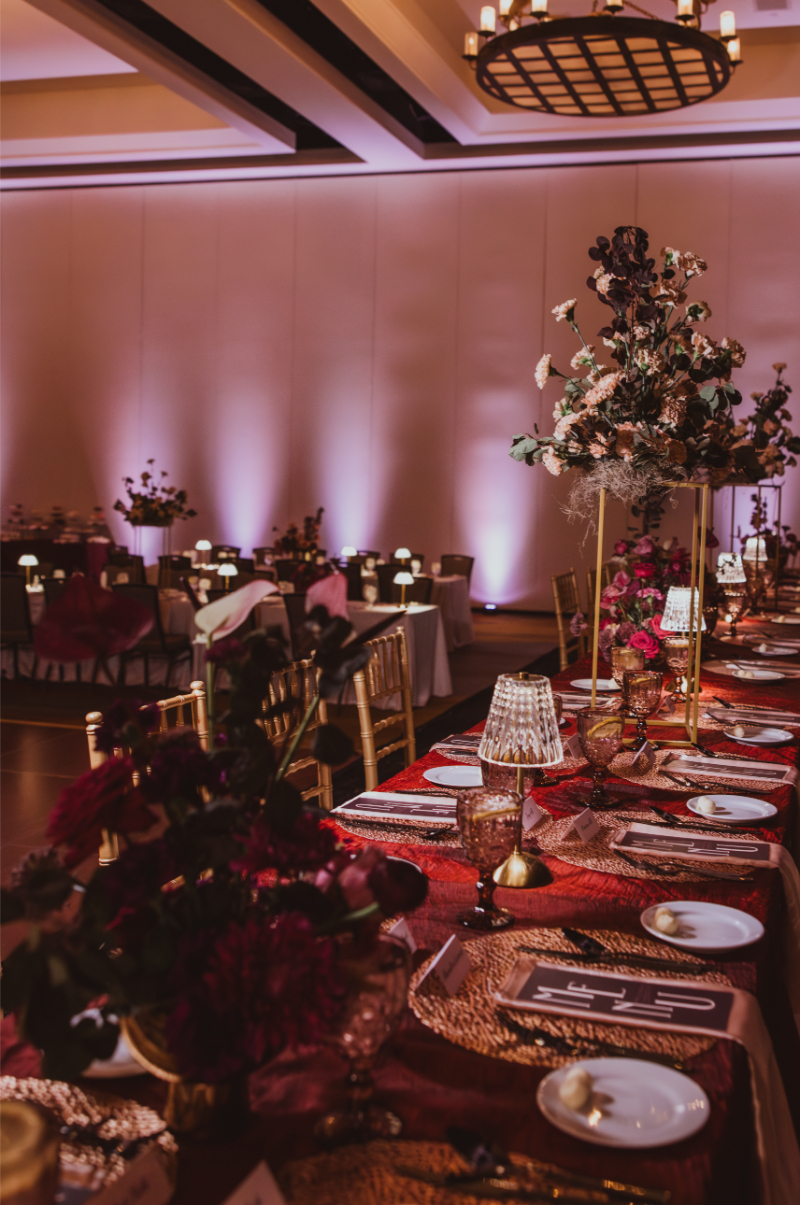
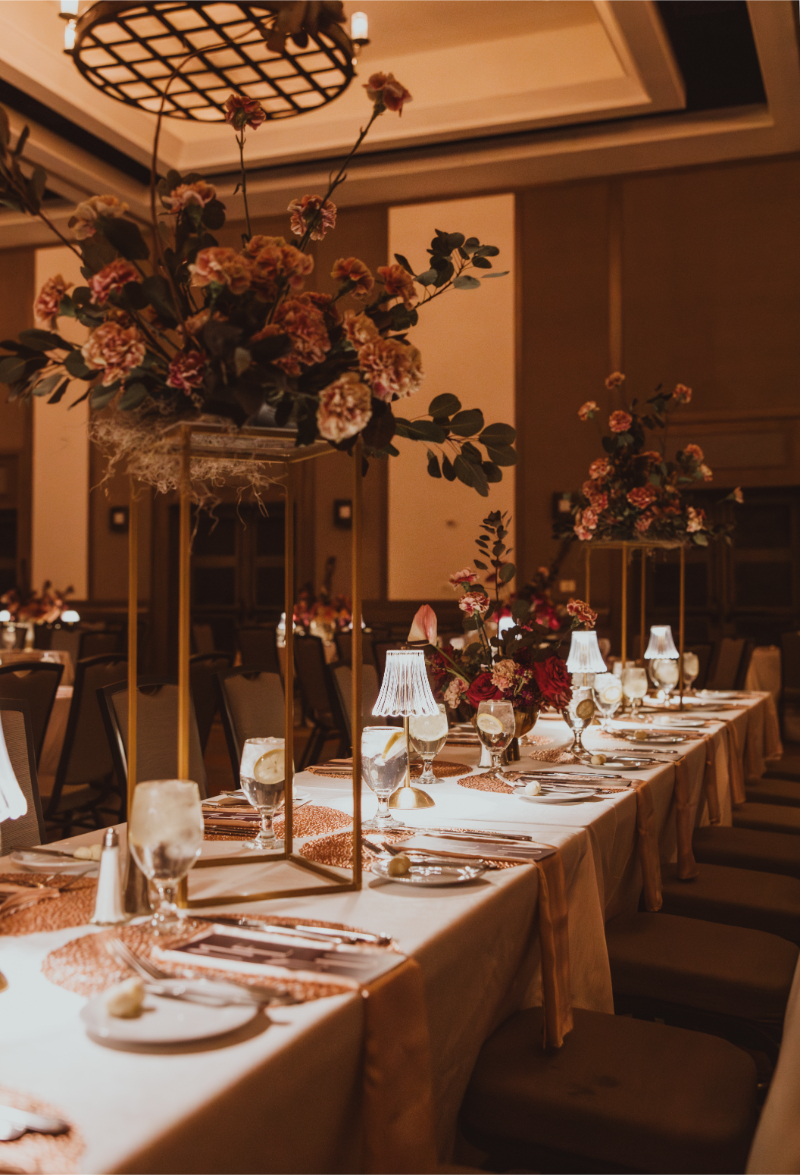
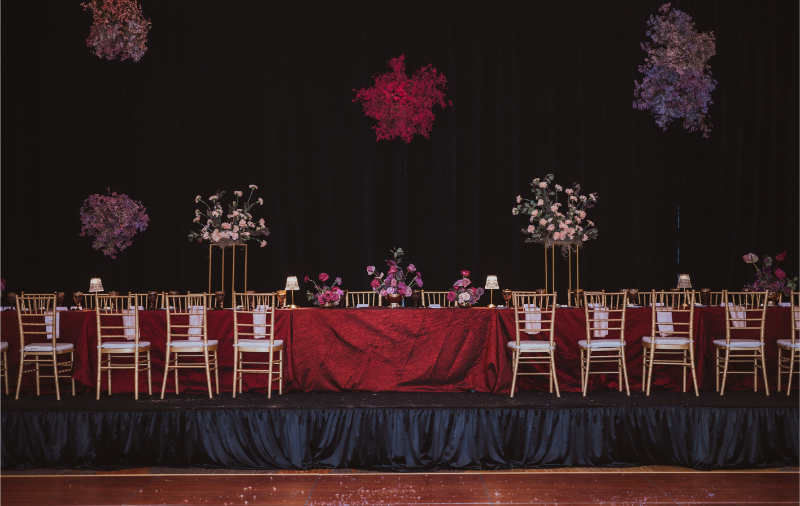
Photo Credit: Cam Storie Photography
Florist Open Road Florals
Why Tall Flower Arrangements Are Dominating Reception Tables in 2026
Tall flower arrangements have been a fixture in high-design weddings for years. However, by 2026, they’ve moved from accent pieces to the defining centerpiece of the entire table story. Several shifts are driving this evolution.
First, couples are choosing venues with strong architectural character. Historic estates, barn conversions, and grand hall spaces have ceiling heights that deserve attention. Tall flower arrangements respond well to that vertical space. As a result, the design feels deeply intentional.
Second, the current aesthetic leans toward contrast. Mixing scale on reception tables creates a layered, gallery-like quality. Pairing a dramatic tall arrangement with candlelight and low bud vase clusters is a compelling combination. That contrast separates a beautifully designed tablescape from one that simply looks arranged.
Finally, tall floral designs photograph exceptionally well. They add visual context to wide reception shots. At the same time, intimate table moments still feel warm and personal. Together, these qualities make tall arrangements a strong investment for couples who care about documentation.
For elevated floral design at any scale, our luxury flower bouquet ideas guide covers arrangements that feel polished and intentional.
The Vessels That Make or Break a Tall Arrangement
Flowers get most of the attention in a design. But the vessel underneath determines whether a tall arrangement feels polished or precarious. Choosing the right one starts with the venue aesthetic, then moves toward floral style.
Tall Cylinders and Trumpet Vases
First, clear glass cylinders and trumpet vases keep the focus entirely on the blooms. Clean lines and transparency allow the arrangement to breathe. Because of that, they work especially well in contemporary settings with natural light.
Ornate Urns and Pedestal Compotes
For historic estates and garden venues, urns bring architectural weight. A stone or metal urn creates grounded presence while still elevating the florals. In particular, this style suits formal, European-inspired, or classic design directions.
Mercury Glass and Mirrored Vessels
Mercury glass creates warmth and light reflection, particularly in candlelit receptions. Because these vessels interact with ambient lighting, they shift visually throughout the evening. That quality adds a layer of atmosphere as the night progresses.
Clear Bud Vase Clusters
Not every tall arrangement requires a single vessel. Instead, grouping multiple slender bud vases at varying heights creates movement and softness. This approach works beautifully for organic or wildflower-forward aesthetics.
Fluted Column and Riser Systems
For structural designs that need height without visual weight, column risers create a clean architectural base. They’re particularly effective when the floral arrangement itself is minimal and sculptural. Together, the vessel and florals feel like a considered pairing.
Many of these vessel styles come from rental companies rather than outright purchase. Our wedding rentals guide walks through what to look for, what to ask, and how to plan your rental budget.
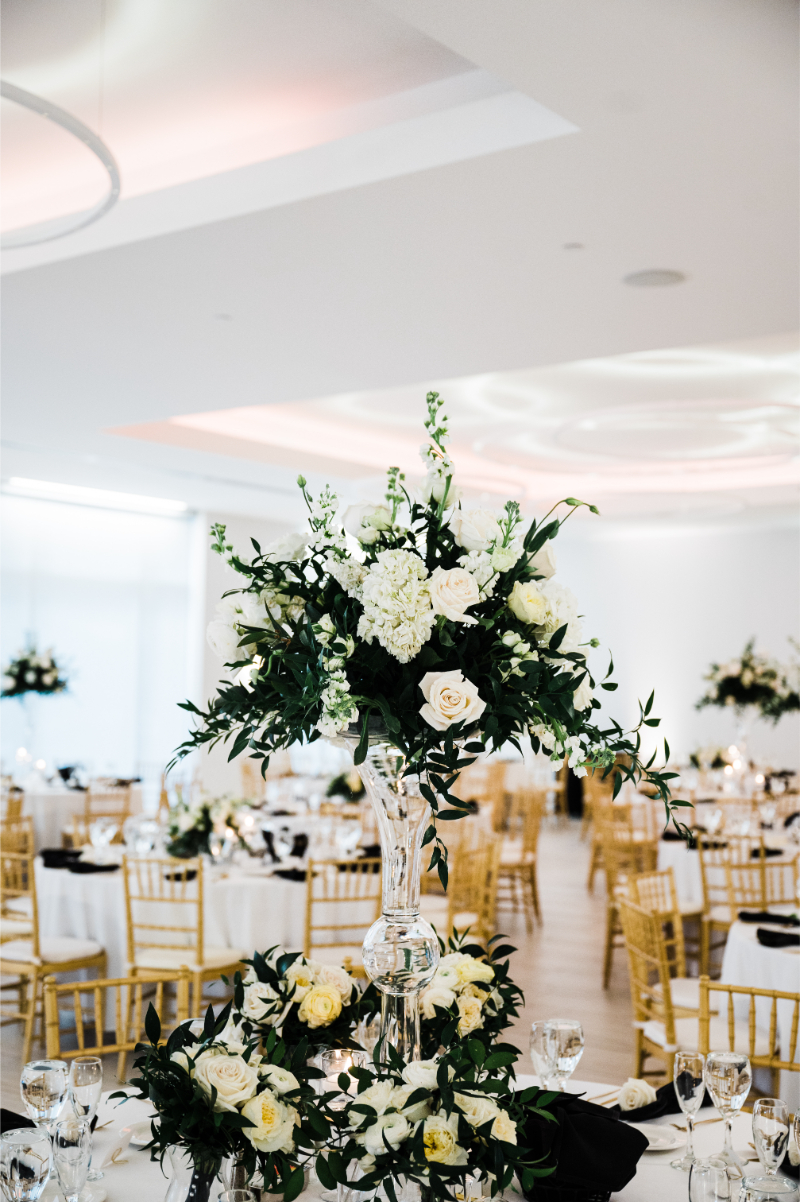
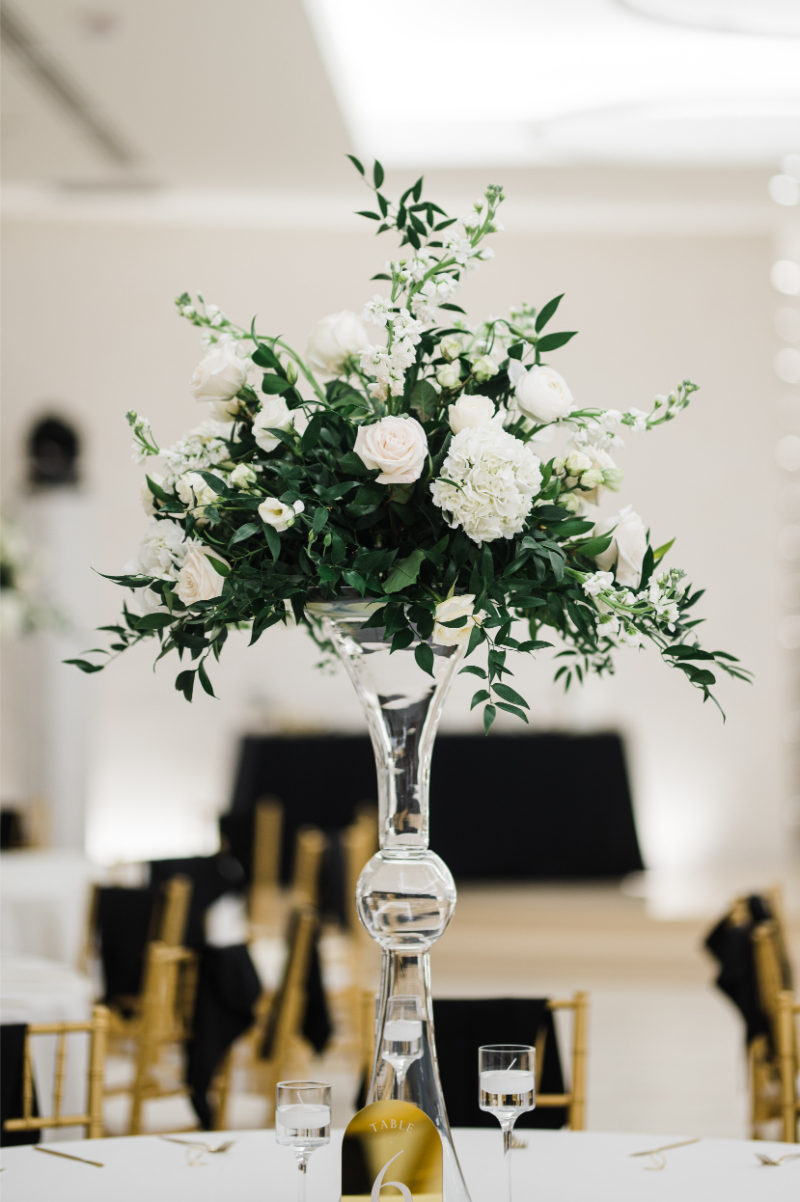
Photo Credit: Jacqueline Vega Photography
Florist: Albuquerque Florist
Choosing the Right Blooms: What Holds Up, What Adds Drama, What Softens the Look
After choosing the vessel, the next decision is which blooms will perform at height. A tall arrangement typically needs three distinct categories working in balance.
1. Blooms That Hold Themselves Up
Structurally suited choices include orchids, gladioli, and snapdragons. Tall garden roses on long stems and lisianthus are also reliable options. Importantly, these varieties hold moisture well and stay upright without visible support.
2. Blooms That Add Drama
For visual impact, calla lilies offer architectural elegance. Amaranthus adds cascading movement. Large-headed dahlias bring saturated color. Allium creates sculptural geometric presence. White delphiniums offer airy, vertical drama.
3. Blooms That Soften the Look
Tall arrangements can feel imposing without softening elements. For that reason, include eucalyptus cascades, pampas grass tufts, or astilbe for feathery texture. Sweet peas and trailing greenery ease the eye downward and add life.
When all three categories are present, the arrangement feels balanced. Structure provides the framework. Drama creates the moment. Softness makes everything feel alive.
The same layered logic applies when designing a bridal bouquet. Our bridal bouquet ideas guide explores how structure, drama, and softening work together to build a cohesive floral story.
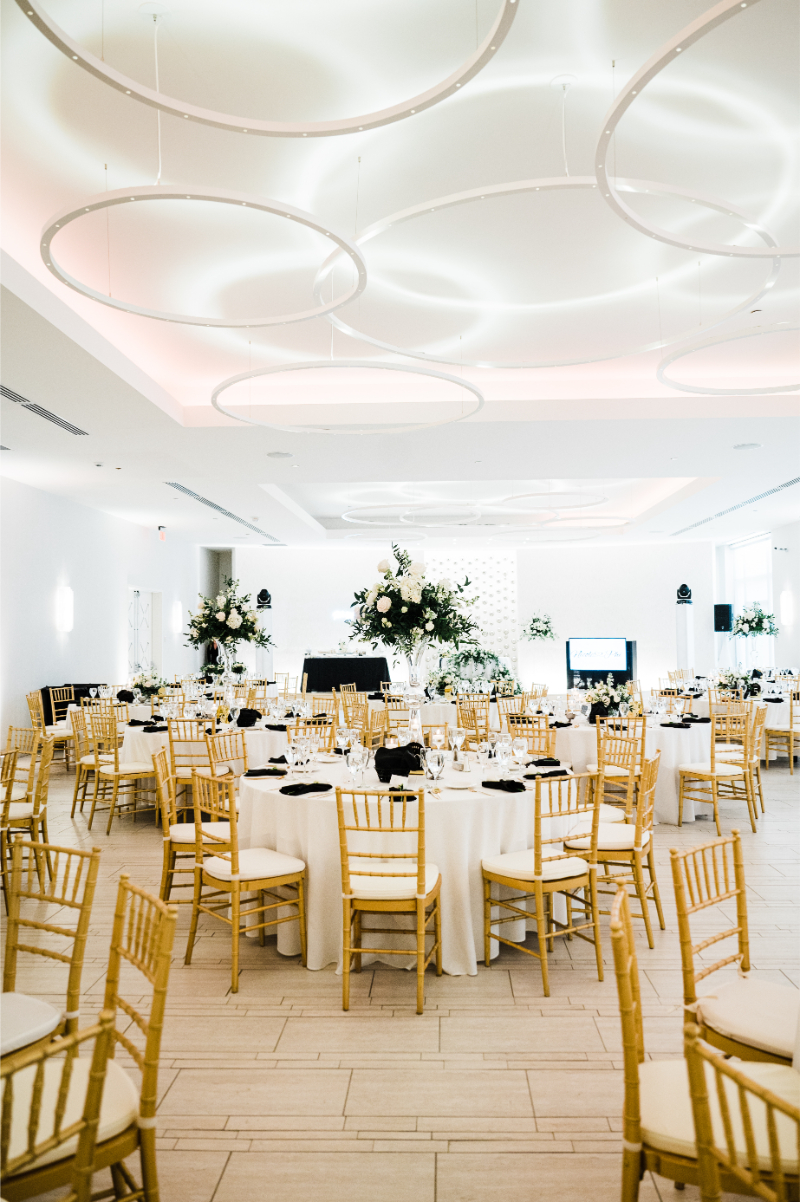
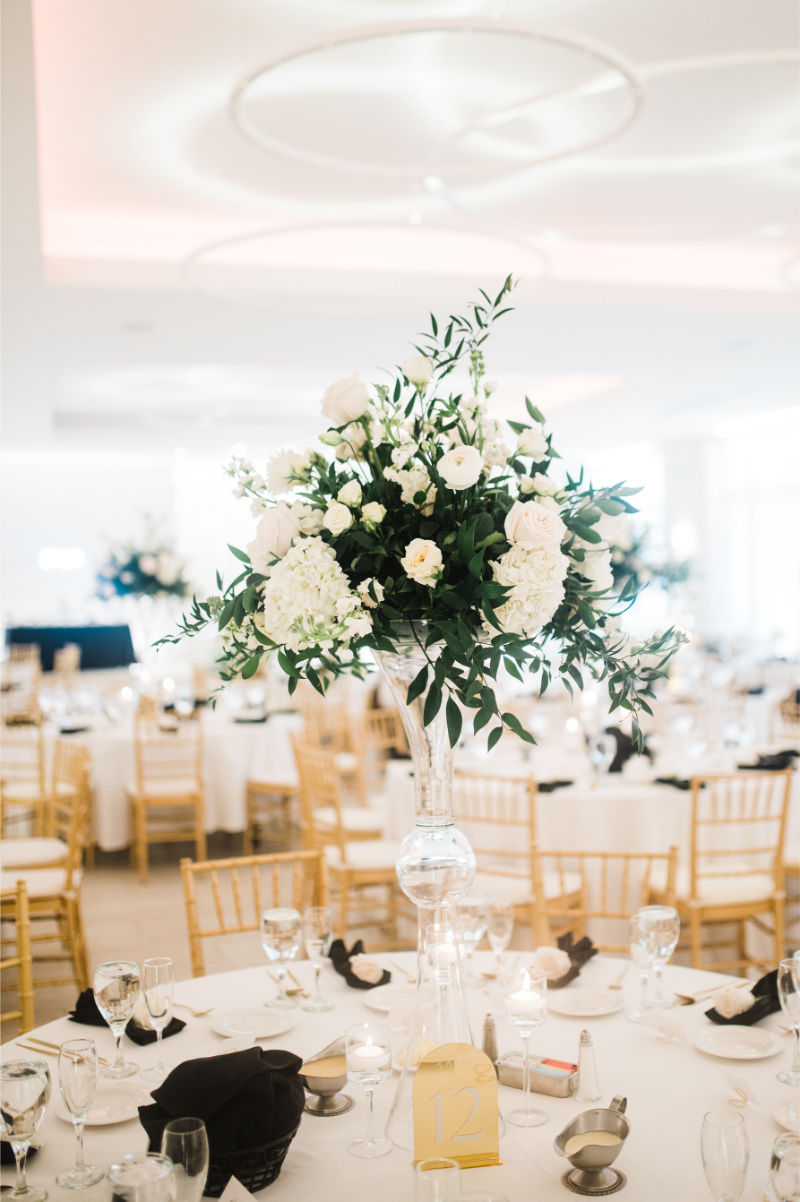
Photo Credit: Jacqueline Vega Photography
Florist: Albuquerque Florist
Room Proportion and Ceiling Height: Knowing When Tall Arrangements Work and When They Overwhelm
Even the most beautifully constructed tall flower arrangement can feel off in the wrong room. Proportion matters just as much as design quality. Ceiling height is the most critical variable.
As a general guideline, tall arrangements need at least 10 to 12 feet of clearance to feel comfortable. Below that threshold, they risk feeling imposing rather than dramatic. Beyond that, the room’s footprint and table layout also play a significant role.
Long dining tables in narrow rooms can make tall centerpieces feel like walls between guests. In contrast, round tables in a spacious setting allow tall designs to feel celebratory and open. Here is how we assess venue fit.
- Ceiling height: 10 feet minimum; 14 feet or higher creates the strongest impact.
- Table shape: Round configurations read better than narrow farmhouse tables.
- Spacing: Tightly packed tables reduce the visual breathing room these designs need.
- Natural light: Near windows, tall arrangements cast beautiful shadows. Near dark walls, they may disappear.
- Architectural details: Chandeliers, beams, and arched ceilings influence how the eye travels through the room.
Ultimately, the goal is for tall arrangements to feel like a natural part of the space. When proportion is right, they don’t compete with the room, they complete it.
For a clear framework on where design investment shows, our high-impact wedding details post is worth a read.
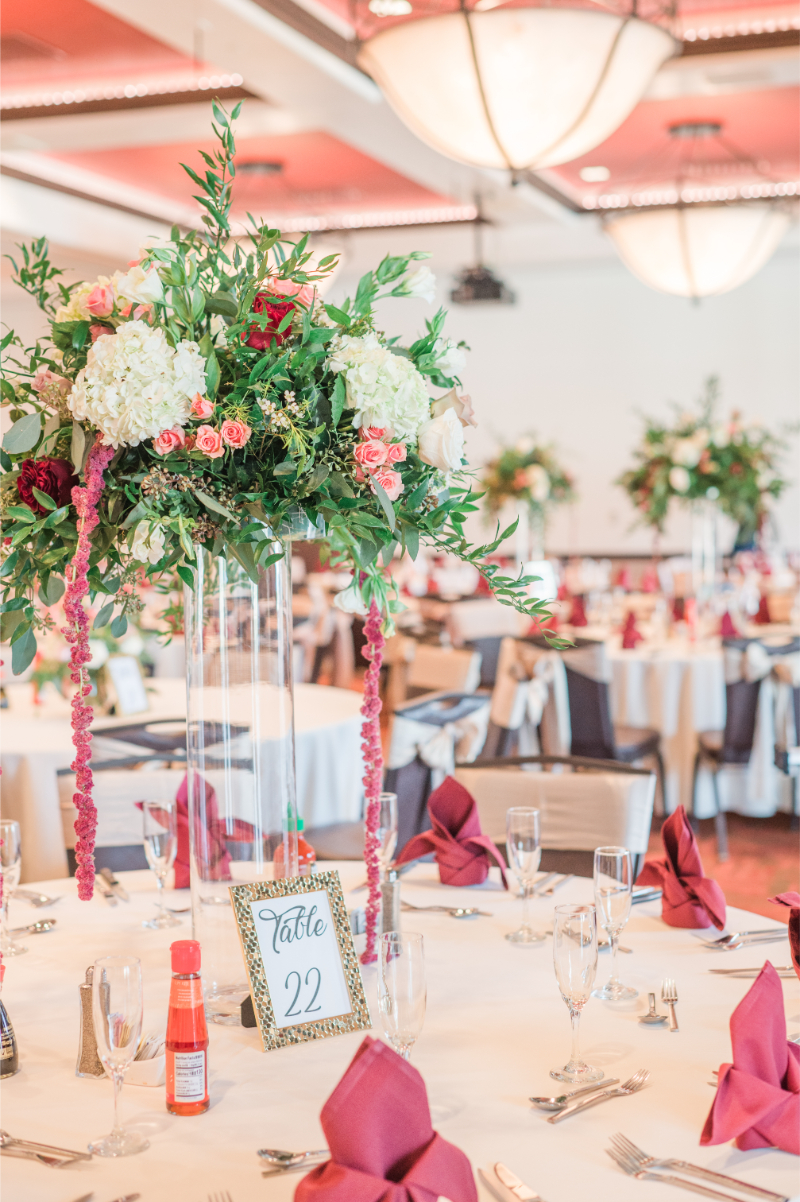
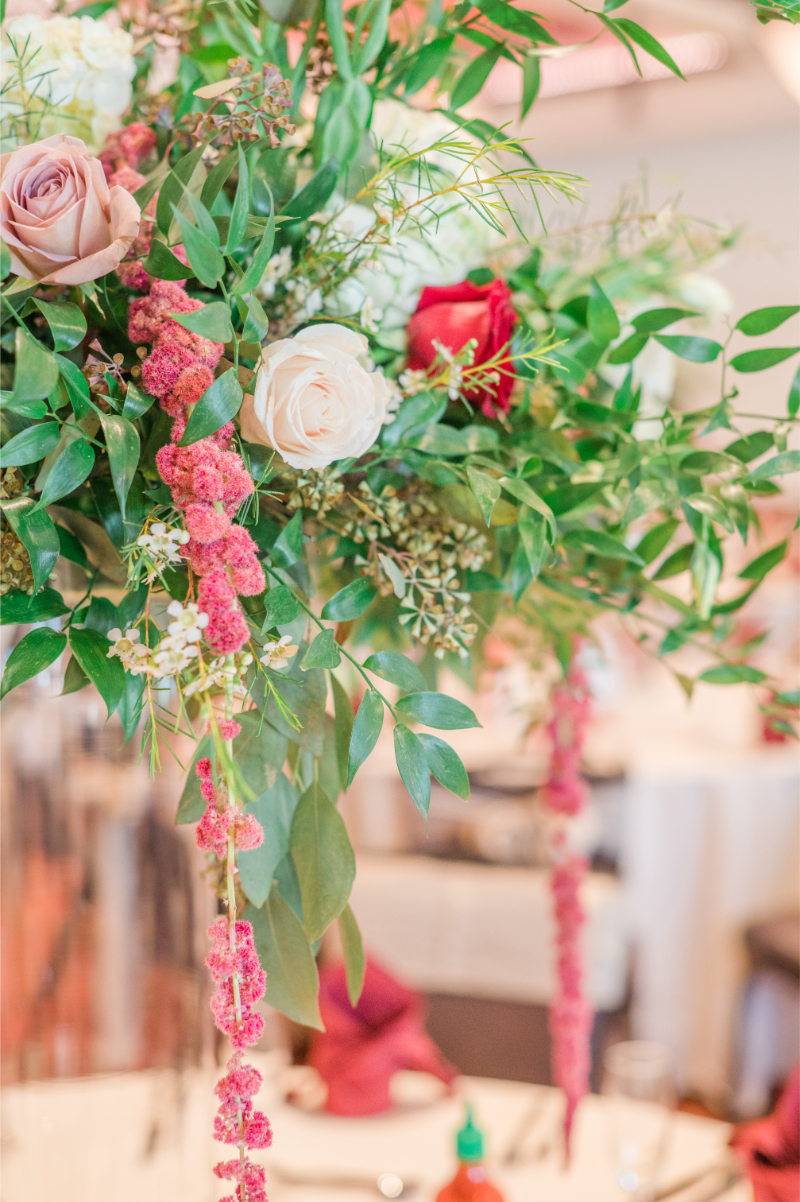
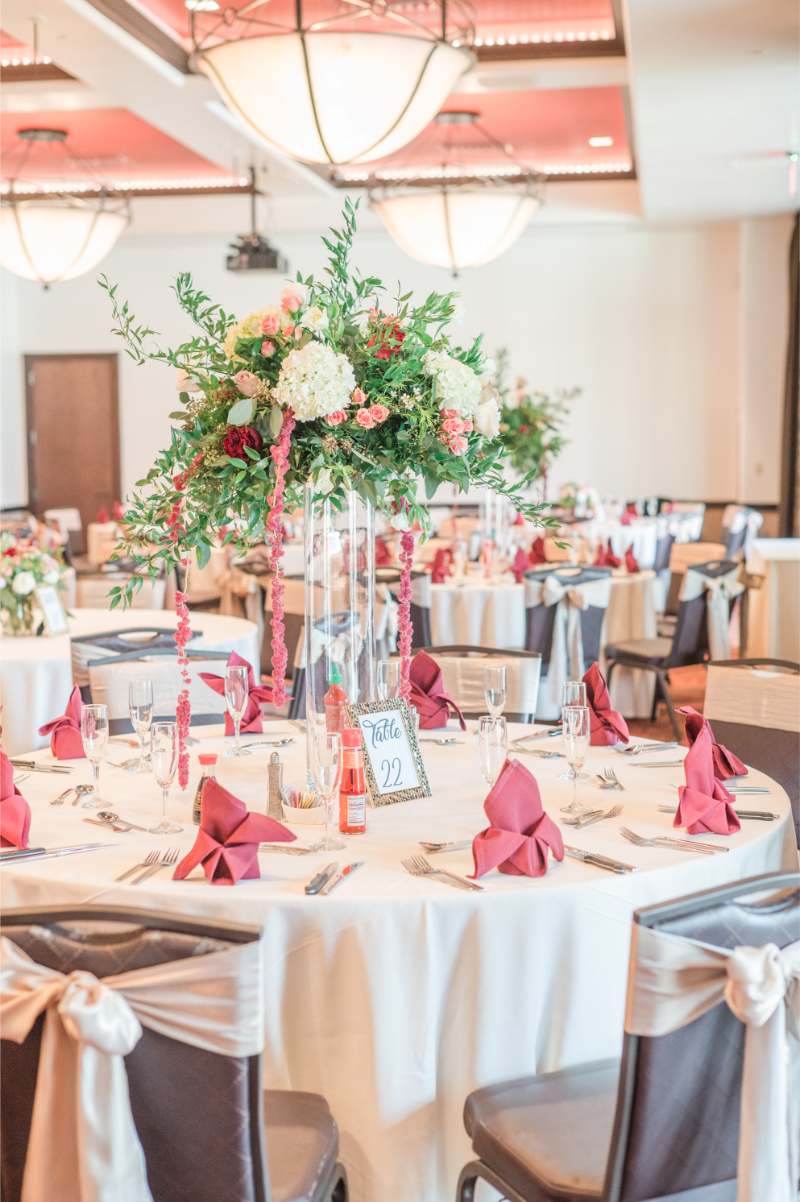
Photo Credit: Maura Jane Photography
Florist: Albuquerque Florist
Mixing Tall Flower Arrangements With Low Centerpieces for a Dynamic Tablescape
When proportion is confirmed, the design question shifts to distribution and balance. How you use tall and low centerpieces throughout the room creates visual rhythm rather than visual noise.
Generally, most couples don’t place tall arrangements on every table. Instead, they use them strategically. Alternating tall and low centerpieces creates movement across the room. Guests experience a kind of visual cadence — drama, then softness, then drama again.
Several approaches work well depending on the layout:
- Every other table is the most common method. Tall arrangements alternate with low clusters. This creates clear repetition without monotony.
- Head table and perimeter placement reserves tall designs for the most visible spots. Dining tables stay lower, which keeps conversation easy and sightlines clear.
- Designated drama tables work well for long family-style layouts. One or two tables receive tall arrangements. All others stay low. This creates focal points rather than even distribution.
Overall, the low centerpieces should feel like partners to the tall ones, not afterthoughts. Consistent bloom selection, a shared color palette, and aligned vessel style keep everything cohesive even when scale varies.
For a textured, organic look on the lower tables, our wildflower centerpiece guide covers that layered aesthetic in full.
Briefing Your Florist: How to Get Tall Flower Arrangements That Look Like Your Inspiration Board
That said, even a clear vision can get lost in translation. A well-prepared brief doesn’t just save time. It ensures the final result reflects what you imagined.
Start with Scale References
Show your florist images that demonstrate height. Many inspiration photos are cropped or angled in ways that obscure actual scale. Reference real measurements when possible. A specific number — say, 30 to 36 inches tall — communicates far more clearly than a vague descriptor.
Define the Vessel Before the Florals
Confirm early who is providing vessels — the florist or a rental company. Vessel height, width, and material all influence the floral design above it. Aligning these details before design work begins prevents scope surprises later.
Share Room Photos and the Floor Plan
Your florist should know the ceiling height, lighting conditions, and table layout before building any design. For venues they haven’t worked in before, detailed photos become especially important.
Clarify Priorities and Non-Negotiables
If specific blooms are sentimental, say so directly. Also communicate which varieties carry through your floral plan. Share which elements are flexible, too. That way, your florist has creative room within the brief.
Review the Proposal Before Approving
Ask for a written proposal that includes bloom varieties, vessel type, scale estimate, and pricing. Reviewing it in writing prevents misalignment on installation day.
Before that florist meeting, a well-organized vision board makes the conversation far more productive. Our wedding vision board ideas guide walks through how to build one that actually communicates your aesthetic clearly.
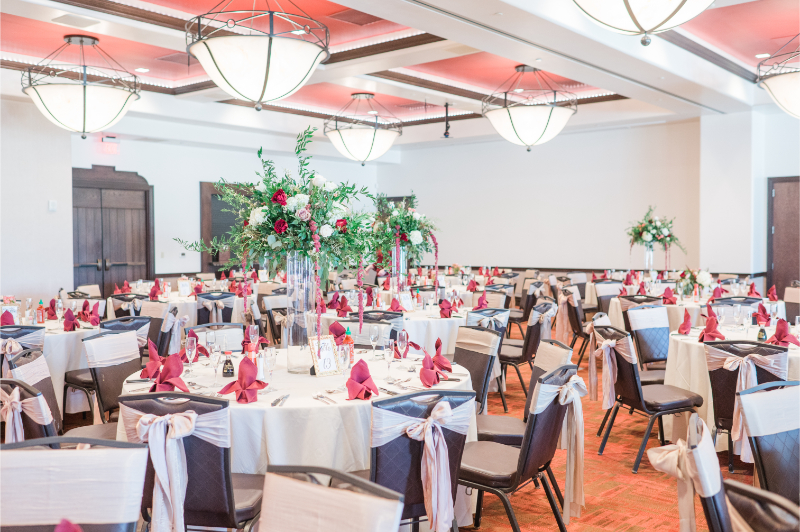
Photo Credit: Maura Jane Photography
Florist: Albuquerque Florist
Tall Flower Arrangements Done Right
Tall flower arrangements are one of the most effective tools for filling vertical space with intention. When the vessel, the blooms, the room proportion, and the tablescape balance work together, the result feels cohesive and considered.
That’s the difference between arrangements that look beautiful in photos and ones that transform how the room feels. The decisions that get you there are all plannable in advance. Vessel selection, bloom layering, proportion assessment, and clear florist communication each play a role. Together, they turn a design choice into a design statement.
If you’re designing a reception that feels layered and beautiful, we’d love to be part of that process. Learn more about our planning services, take a look at our portfolio, or contact us to get started!


