The setting of a desert botanical garden wedding sits at an intersection that is simultaneously wild and curated, naturalistic and designed. Native plantings provide drama without requiring installation. And sunsets in the New Mexico desert are unmatched. As you can see, the landscape carries a specificity that makes a celebration feel deeply rooted in place.
Hi! We’re Verdeaux & Co., a full-service wedding planning and design studio based in New Mexico. We specialize in immersive, design-forward celebrations where landscape, architecture, and guest experience feel intentionally connected. When we design within botanical garden settings, we treat the existing environment as the primary design collaborator. Everything else follows from there.
In this post, we cover botanical garden settings, how to design within them, and what it takes to execute one well. If you’re drawn to this type of aesthetic, learn more about our planning services, browse our portfolio, or contact us to get started!
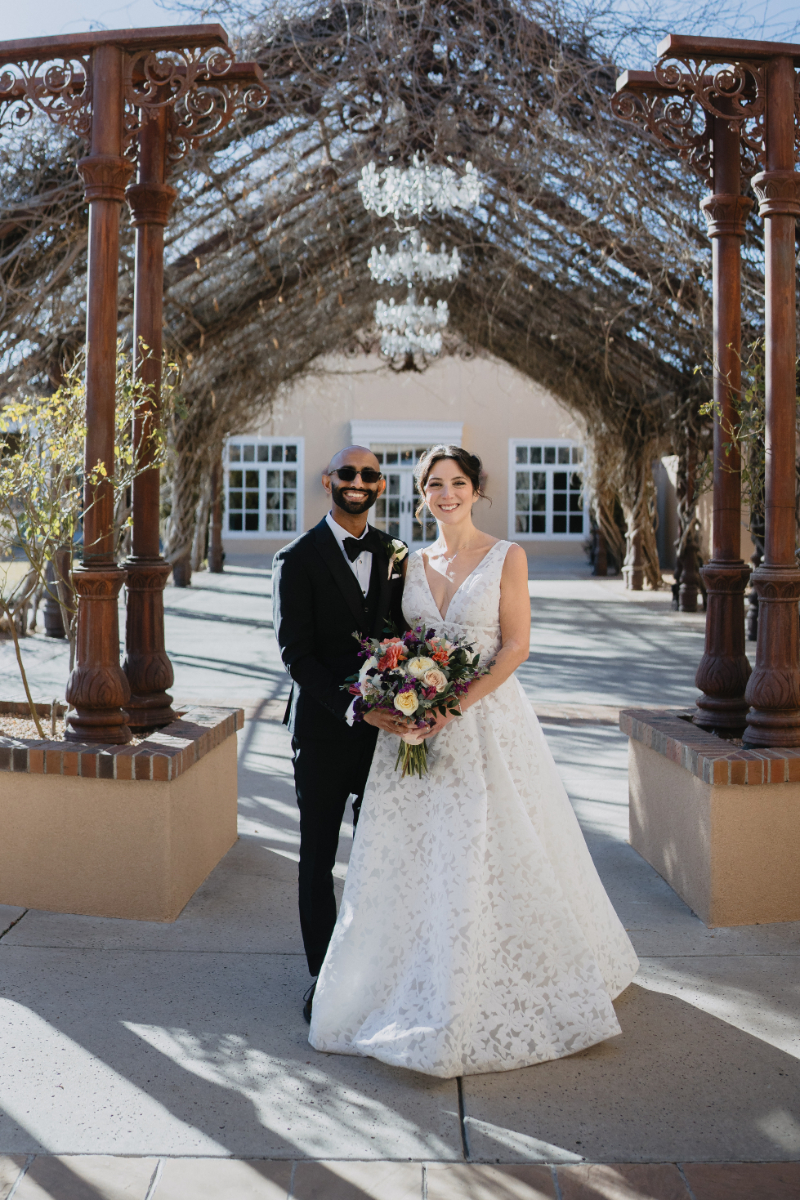
Photo Credit: Klaus + Em
Gardens as Ceremony Backdrops: Why Botanical Settings Work So Well for Weddings
Gardens occupy a unique position in the venue landscape. Unlike raw desert terrain or a purpose-built event space, a botanical garden has already been designed. Someone has considered which plants belong together, how pathways should move, where focal points should land. That prior design work becomes the foundation for your celebration.
Botanical settings provide what most venues require couples to create from scratch. Ceremony backdrops arrive with built-in texture: towering saguaro, sculptural ocotillo, blooming prickly pear, the vertical drama of agave in flower. Pathways define natural processionals. Garden rooms create organic transitions between ceremony, cocktail hour, and reception.
In the high desert of New Mexico specifically, botanical gardens carry additional qualities. For instance, rich light defines the elevation, the plant palette includes centuries-old native species that carry cultural and ecological meaning. Adobe walls, stone pathways, and historic structures often appear within or adjacent to garden settings, adding architectural depth.
There is also something about a desert botanical garden wedding ceremony that changes how guests feel. The setting asks them to slow down. Birdsong, wind through leaves, the scent of native herbs in warm air are details that create presence.
For more context on outdoor venues in the state, our guide to outdoor wedding venues in New Mexico covers the full range of settings and what each one requires.
Designing With The Visual Language of a Desert Botanical Garden
Designing within a botanical garden setting requires a different starting point than designing in an empty room. The environment is already speaking. Your design needs to respond to it rather than interrupt.
Color Palette
Palette should be drawn from the landscape itself. Terracotta, dusty sage, ochre, warm sand, deep rust, and muted mauve all exist in the plant life of New Mexico. Palettes built from these tones feel grounded. Cool tones such as bright white, cobalt, and deep navy, tend to feel imported. The design principle here is resonance rather than contrast.
Material Choices
Material choices matter as much as color. Linen, unglazed ceramic, hammered metal, reclaimed wood, and woven textiles all carry the tactile quality that botanical settings amplify. Polished chrome, glossy lacquer, and synthetic materials tend to feel out of place against native plantings.
Florals
Florals should feel like they could belong to the garden. This doesn’t mean only using native plants. It means choosing arrangements that feel rooted and organic rather than constructed. Sculptural desert stems, native grasses, seed pods, and locally sourced blooms create a composition continuous with the setting.
Scale
Scale is perhaps the most important consideration. A botanical garden already provides visual interest at every level: towering specimens above, groundcover below, mid-level plantings at eye height. Design additions should work within that existing layering rather than overwhelming it. Low, wide arrangements often read better in garden settings than tall, vertical ones.
For a look at how to bring this design to life, read our post on the garden wedding aesthetic that covers the design principles in depth.
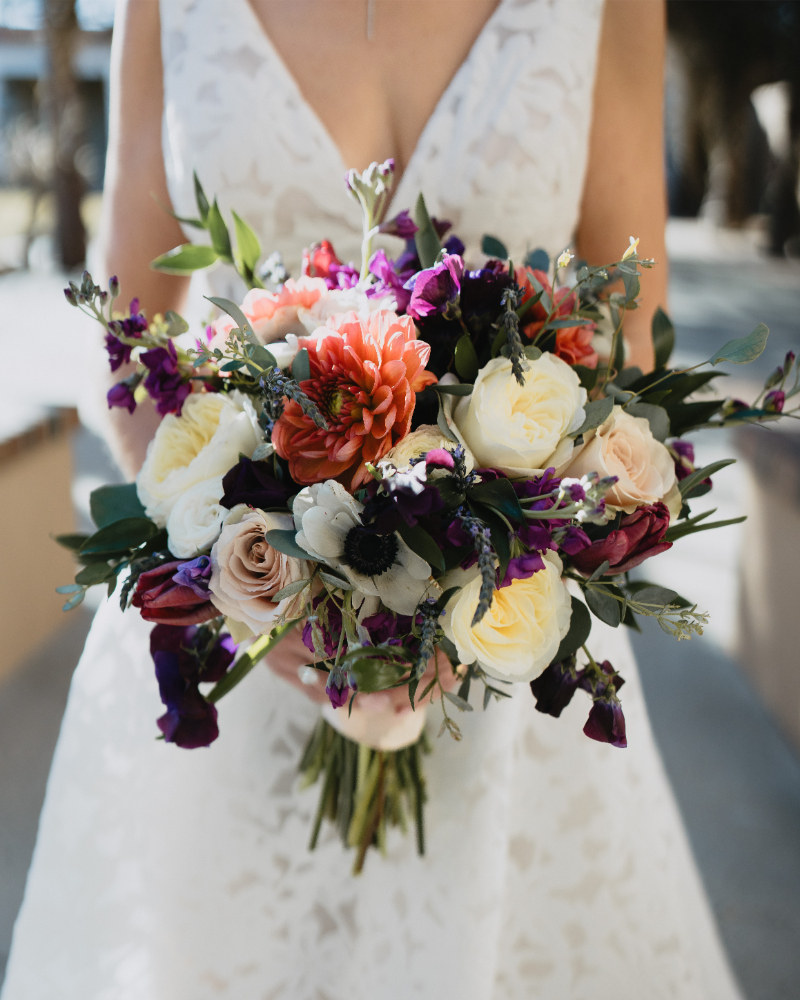
Photo Credit: Klaus + Em
How a Garden Wedding Flows: Ceremony, Cocktail Hour, and Reception in an Outdoor Setting
The setting of a desert botanical garden wedding does the spatial work for you. Different areas carry different atmospheres, making it easy to move guests through those spaces across the day and create a natural rhythm and variety.
Ceremony
Gardens create natural ceremony architecture. A grove of mature trees frames a processional. Stone pathways define natural aisles. A specimen cactus or flowering agave serves as a living altar backdrop. Because the setting already provides structure, ceremony design can stay minimal. A simple arbor, restrained florals, and thoughtful chair placement are often enough.
Cocktail Hour
The botanical setting is at its most social during cocktail hour. Guests move naturally through pathways, observe different plant collections, and use the garden as a conversation prompt. Bar stations, passed appetizers, and lounge seating placed at garden vignettes encourage exploration. This is the phase of the day where the venue does the most work without any additional production.
Reception
As evening arrives and light shifts, the garden transforms. Warm golden hour turns to dusk. The temperature drops. Candlelight, string lights, and lanterns placed along pathways and within plantings create an intimate, expansive atmosphere.
Dinner and dancing under open sky, with native plantings as the perimeter, is one of New Mexico’s most distinctive wedding offerings.
Ceremony Timing
Timing matters enormously in this setting. New Mexico’s golden hour is exceptional, and ceremony timing should be planned around it. Starting too early usually means the light is harsh and the weather is hot. On the other hand, starting the celebration too late will lead to losing the color shift as the sun sets. Always aim for the golden transition.
Check out our post on what time weddings start, which addresses ceremony timing for New Mexico’s specific conditions.
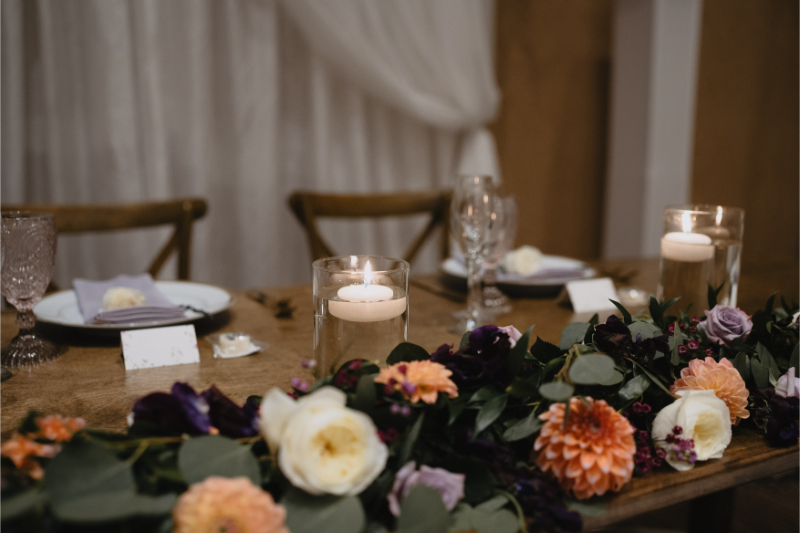
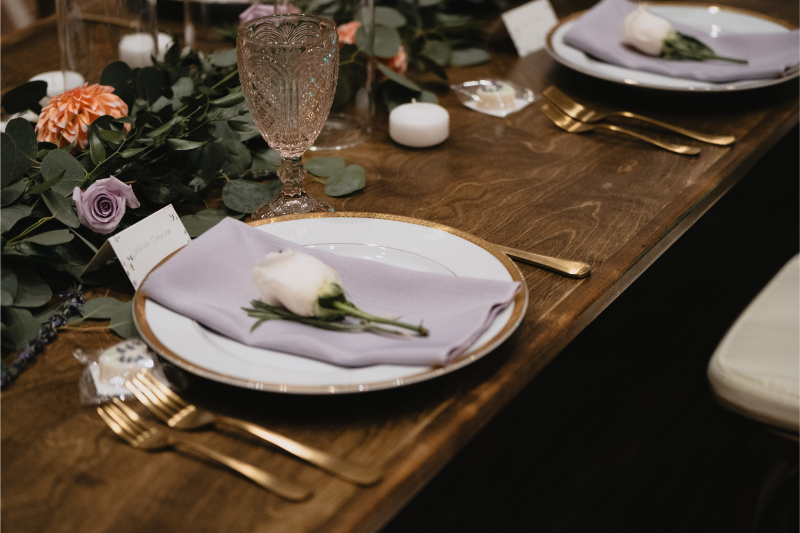
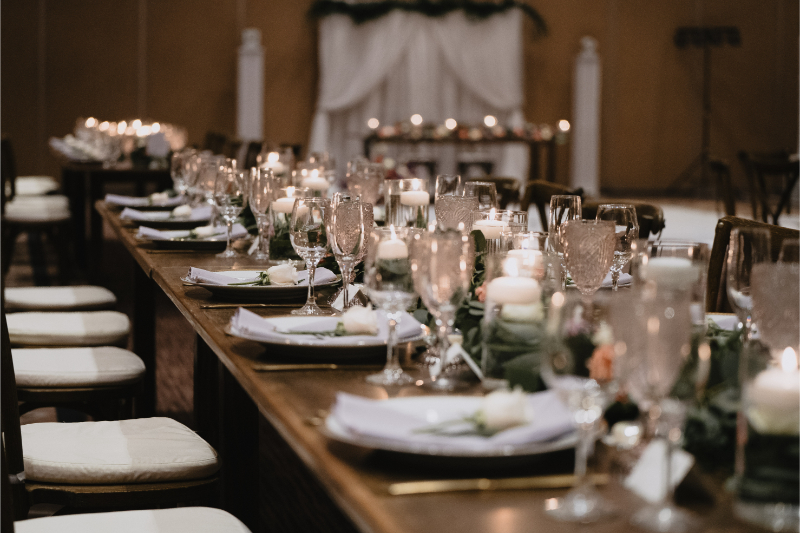
Photo Credit: Klaus + Em
Florals and Greenery When Your Venue Already Has Both
The question every couple planning a botanical garden wedding eventually asks: do we even need florals? Our answer is yes, but with important qualifications. Existing plantings provide context, not design. Florals provide focal points, scale markers, and the kind of intentional detail that tells guests the celebration was considered.
However, florals in a botanical garden setting need to earn their place. An arrangement appropriate in a ballroom may look out of place against living plant material. The design question isn’t how much to add. It’s where to add it, and why.
- Identify the moments that need anchoring. Ceremony backdrop, head table, escort card display, bar installation. These are the moments where florals create intentional focal points within a visually complex environment.
- Work in conversation with the existing plant palette. If the garden features significant agave and native grasses, your florals should acknowledge that language. Introducing a heavy English garden arrangement into a desert botanical setting creates aesthetic dissonance.
- Let texture lead over variety. In a setting with significant visual complexity, a focused, textural arrangement reads more clearly than a mixed composition with many bloom types. Muted colors, organic silhouettes, and restrained variety produce something cohesive with the environment.
- Consider greenery as a design element in its own right. In a botanical garden setting, greenery isn’t filler. Native grasses, sculptural succulents, and seasonal seed pods can carry an entire centerpiece without the need for a single cut flower.
Make sure to read our post on wildflower centerpieces to learn about the best vessel choice, scale, and how to brief your florist effectively.
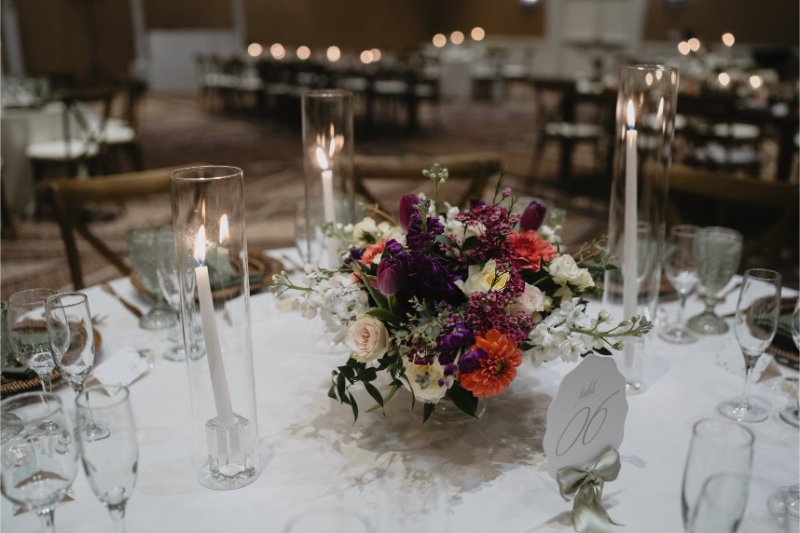
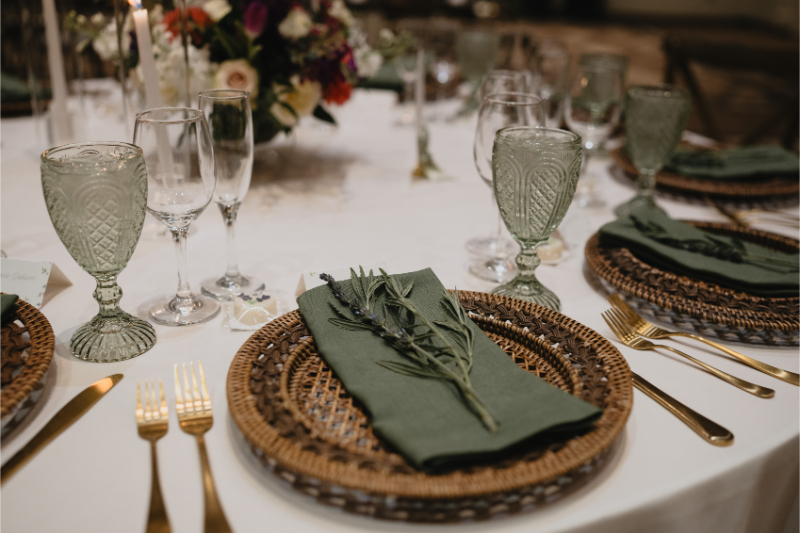
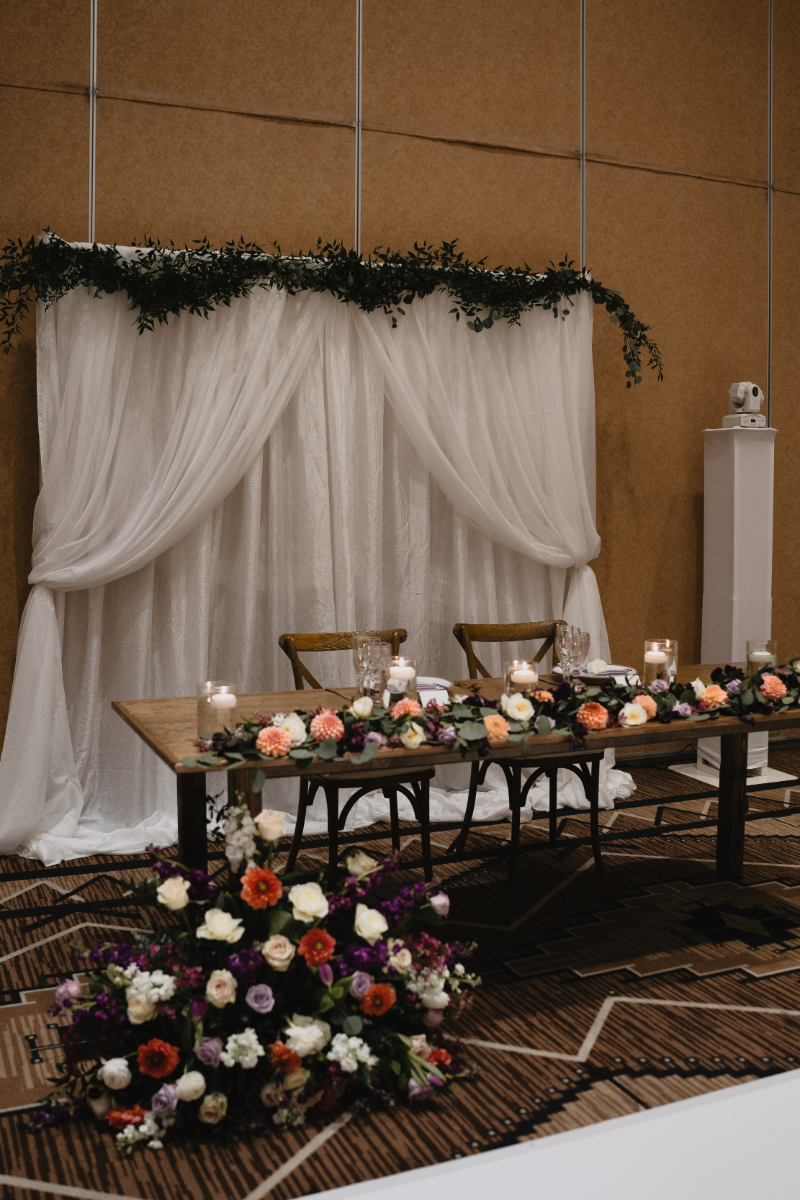
Photo Credit: Klaus + Em
The Practical Stuff: Guest Comfort, Permits, and Navigating a Garden Venue
Botanical garden venues require specific logistical preparation that most couples don’t anticipate until they’re already deep in the planning process.
- Permits and access agreements. Botanical gardens are managed environments. Many require event permits, proof of insurance, approved vendor lists, and tight setup and breakdown windows. Some gardens prohibit staking, open flame, or installation methods that could damage root systems. These requirements should be understood before contracts are signed.
- Guest comfort in the desert. New Mexico’s climate is unpredictable in ways that require proactive planning. Midday heat in summer can exceed 95 degrees. Afternoon thunderstorms are common July through early September. Evening temperatures drop significantly even on warm days. Shade structures, hydration stations, and clear dress code expectations all matter here.
- Terrain and accessibility. Botanical gardens often feature uneven ground, gravel pathways, and grade changes. These details affect guests with mobility needs, heel-wearing guests, and vendor load-in logistics. Clear pathways, accessible seating areas, and ADA-compliant routing should be part of the site plan.
- Noise and wildlife. Some botanical settings are adjacent to public areas. Wildlife, ambient sound, and public access can all factor into ceremony and reception planning. Understanding the venue’s boundaries and public access policies protects the privacy of the celebration.
- Lighting restrictions. Botanical gardens often prohibit attaching lighting to plant material. Portable systems, battery-operated fixtures, and freestanding structures may be required. Planning for this early prevents last-minute compromises.
For more help planning your botanical garden wedding, read our post on wedding dress codes to learn how to set and communicate dress and comfort guidelines clearly.
Navigating a Desert Botanical Garden Wedding with Full-Service Planners that Specialize in Garden Wedding Aesthetics
A desert botanical garden wedding is one of the most beautiful settings New Mexico offers. It’s also one of the most operationally complex. The natural environment, permitting requirements, climate variables, and design specificity all require experienced planning.
- Venue relationship and permit navigation. Planners who have worked in New Mexico botanical garden settings understand each property’s specific requirements. They know which gardens require insurance, which prohibit open flame, and which have preferred vendor lists. That knowledge compresses the administrative timeline significantly.
- Design integration. The most common mistake in botanical garden weddings is design that ignores the existing environment. A full-service team ensures florals, lighting, furniture, and layout all respond to the venue’s plant palette and spatial structure.
- Guest experience management. In a setting with variable terrain, climate exposure, and complex traffic flow, guest experience planning requires more detail than in a typical indoor venue. A planner maps arrival, parking, site orientation, accessibility, and hospitality touchpoints with the garden’s layout in mind.
- Weather contingency planning. This is non-negotiable in New Mexico. Afternoon storm patterns, temperature swings, and wind all require layered backup plans. A planner experienced in outdoor New Mexico events builds those plans proactively.
- Day-of coordination. Setup windows are constrained, and the environment shifts throughout the day. A full-service team on the ground ensures every moving part executes as planned while you remain fully present.
To learn more about working with Verdeaux & Co., visit our Albuquerque wedding planners post for a breakdown of our services and how we plan intentional celebrations.
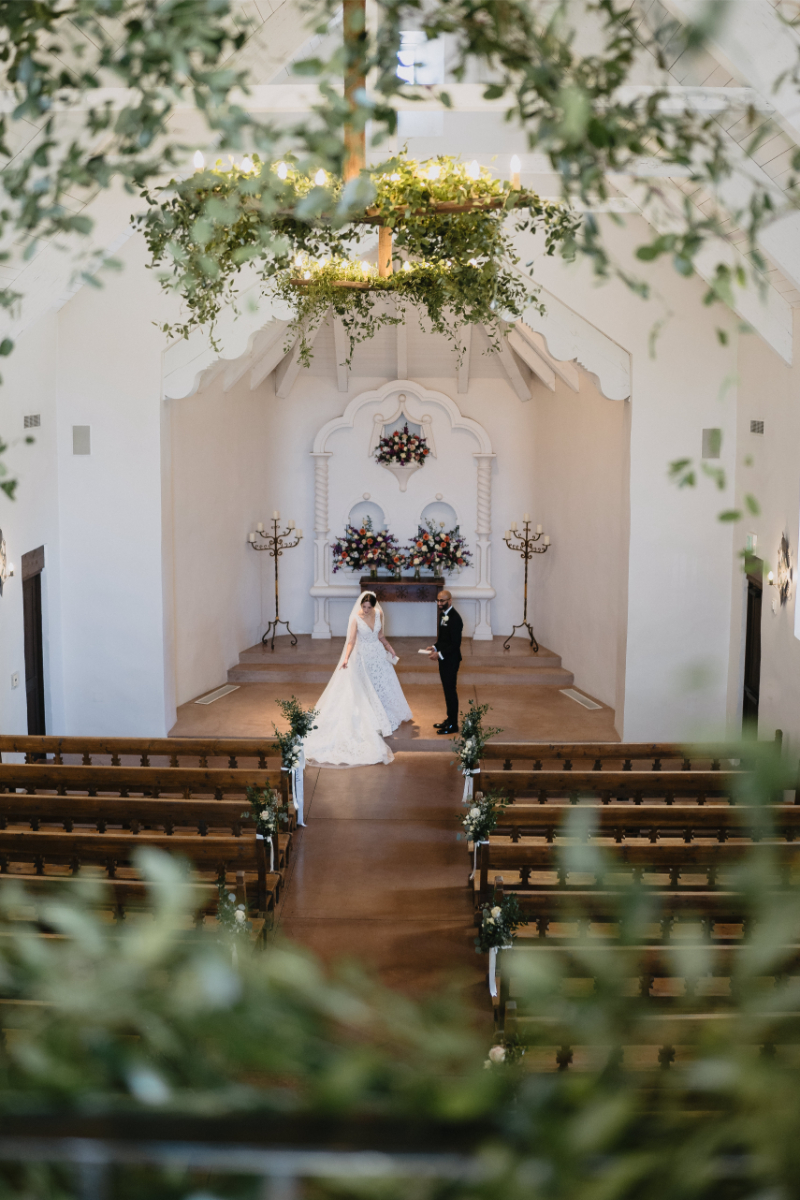
Photo Credit: Klaus + Em
Planning Your Desert Botanical Garden Wedding with Intention
A desert botanical garden wedding offers something rare: a setting that does the design work for you while still requiring intentional planning to realize its full potential.
The landscape, the light, and the native plantings create a unique atmosphere. And that atmosphere needs structure, timing, and a team that understands how to work with the environment.
When those elements align, the result is a celebration that feels deeply connected to New Mexico’s specific character. At Verdeaux & Co., we design botanical garden weddings with care, specificity, and deep respect for this landscape. If you are drawn to this kind of setting, we would love to help you build something that belongs here.
Learn more about our planning services, take a look at our portfolio, or contact us to get started!


