Most couples start budgeting for their wedding with a spreadsheet and a feeling of dread. Real numbers are hard to find, and everything seems to cost more than expected. But knowing how to budget for a wedding turns that stress into a plan you can trust.
Hi! We’re Verdeaux & Co., a full-service wedding planning and design studio serving Tennessee and New Mexico. We design refined, intentional celebrations where every dollar has a purpose.
In this post, we’re covering how to budget for a wedding when you don’t know what anything costs yet. We’ll walk through a sample $75,000 wedding budget breakdown and the three decisions that shape most of your spending. Finally, we’ll share where to invest, where to simplify, and how a planner helps.
If you’re ready to build a budget with expert support, we’d love to help. Learn more about our planning services, browse our portfolio, or contact us to get started!
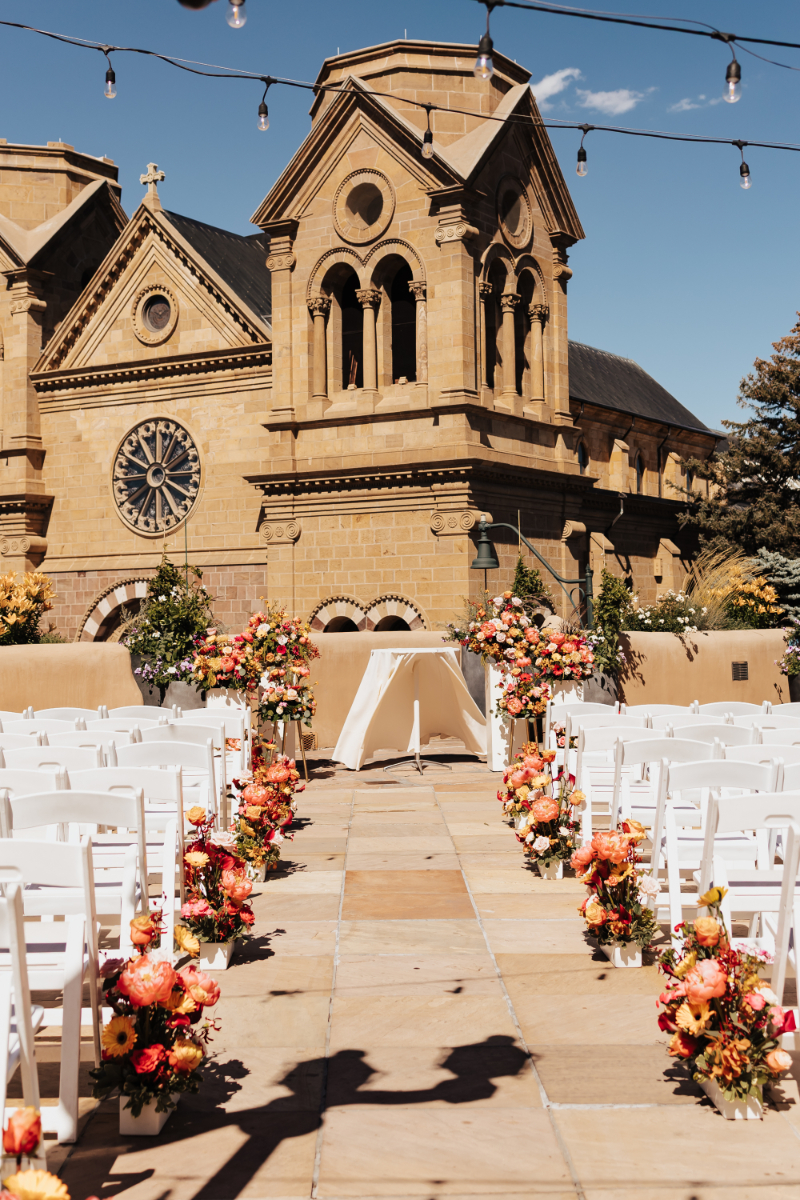
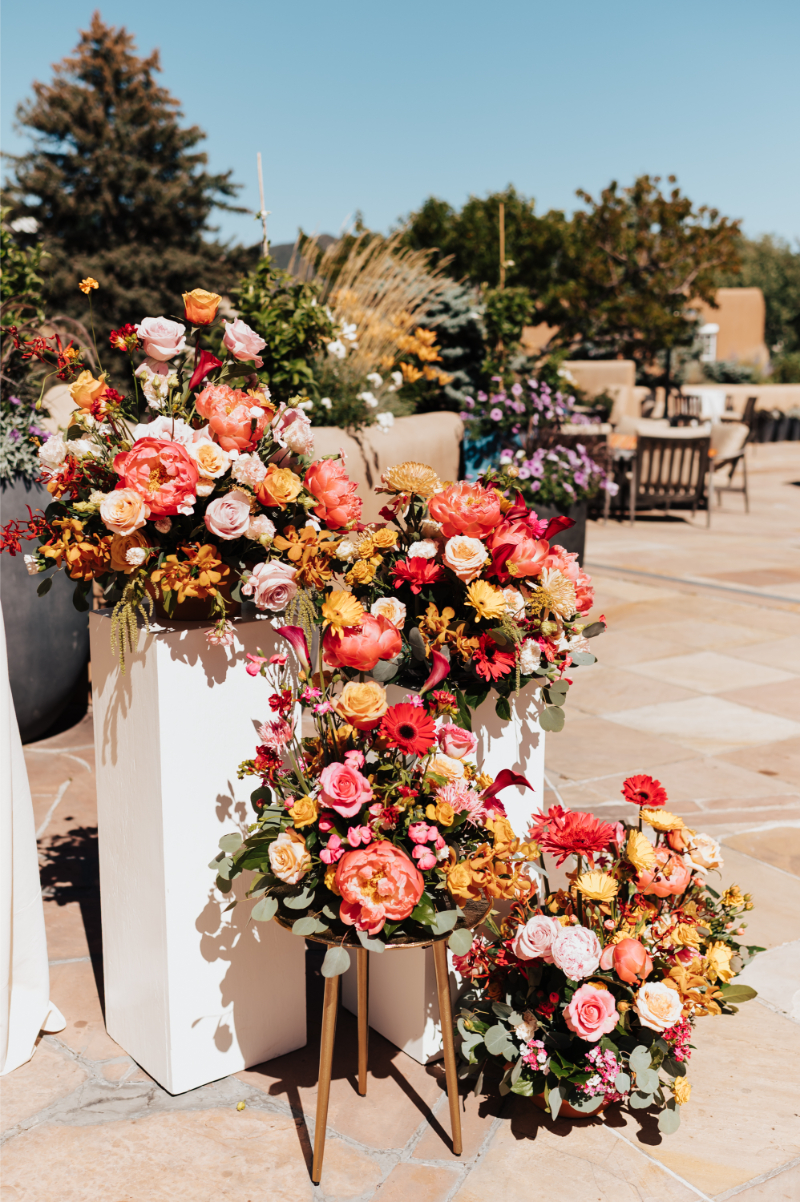
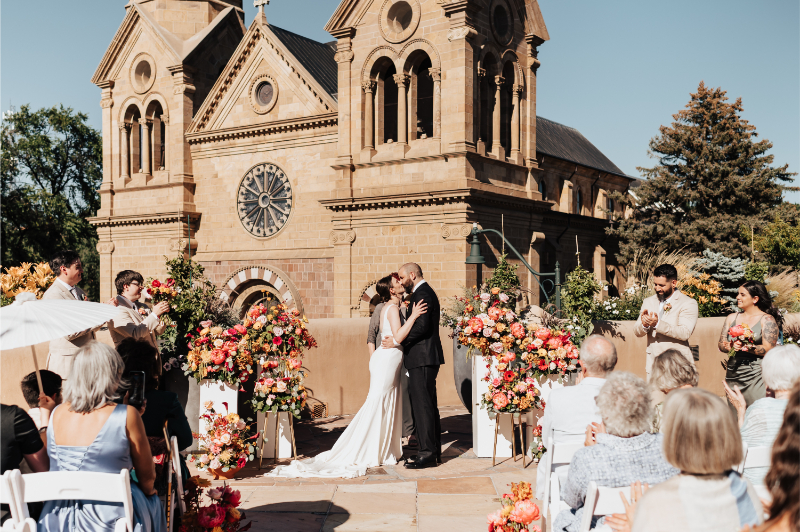
Photo Credit: Alicia Lucia Collective
Florist: artichokes & pomegranates
Before You Do Anything: Decide What You Want the Wedding to Feel Like
A budget works best when it follows a clear picture of the day. Before you make any firm decisions, spend time on a few questions:
1. What do you want guests to feel?
Relaxed, dazzled, welcomed, or celebrated each point to different spending.
2. Which moments matter most to you?
The decor, the dinner, the dance floor, and the photographs all compete for the same dollars.
3. What would you happily skip?
Naming it early frees up money for everything else.
4. What can you picture in the room?
Gather images, colors, and textures that feel like you.
Your answers become a filter for every later decision. When a choice supports the feeling you want, it earns a place in the budget.
Not sure how to put that feeling into words? Start with wedding vision board ideas to give your priorities a visual shape.
How to Budget for a Wedding When You Don’t Know What Anything Costs Yet
Nearly every couple starts budgeting before they have seen a single quote. A realistic sample gives you something to measure against.
Start With a Total You’re Comfortable With
Decide what you can spend and who is contributing. Include savings, family gifts, and any other support. Settle on a maximum number before you request quotes.
A Sample $75,000 Wedding Budget
Here is how a design-forward wedding for about 100 guests might divide a $75,000 total, planning included. Treat it as an illustration, since prices shift with your location, season, and guest count.
- Venue, catering, and bar (36%, about $27,000): It covers what guests taste and remember.
- Planning and design (10%, about $7,500): A full-service planner leads design, vendors, and logistics from start to finish.
- Florals and design (12%, about $9,000): Ceremony, tables, and personal flowers all live here.
- Photography and video (11%, about $8,250): These capture the day once it is over.
- Rentals and lighting (6%, about $4,500): Tables, chairs, linens, and lighting shape how the room feels.
- Music and entertainment (5%, about $3,750): A band or DJ sets the energy for the evening.
- Attire and beauty (5%, about $3,750): This covers attire, alterations, hair, and makeup.
- Guest touches and transportation (3%, about $2,250): Welcome bags, shuttles, and signage belong here.
- Stationery (2%, about $1,500): Invitations, programs, and day-of paper fit within this line.
- Taxes, service charges, and gratuities (3%, about $2,250): Plan for them from the start.
- Cushion (7%, about $5,250): Hold this back for surprises.
Because planning and design is included, the sample reflects your full investment. Larger or smaller budgets can follow similar shares, so multiply each percentage by your own total.
Gather Quotes Early
Pricing varies widely by region, season, and style. Request quotes from a few vendors in your top categories. Then update your estimates with real numbers.
Booking order affects your budget too, so the wedding vendor checklist helps you decide which vendors to book first.
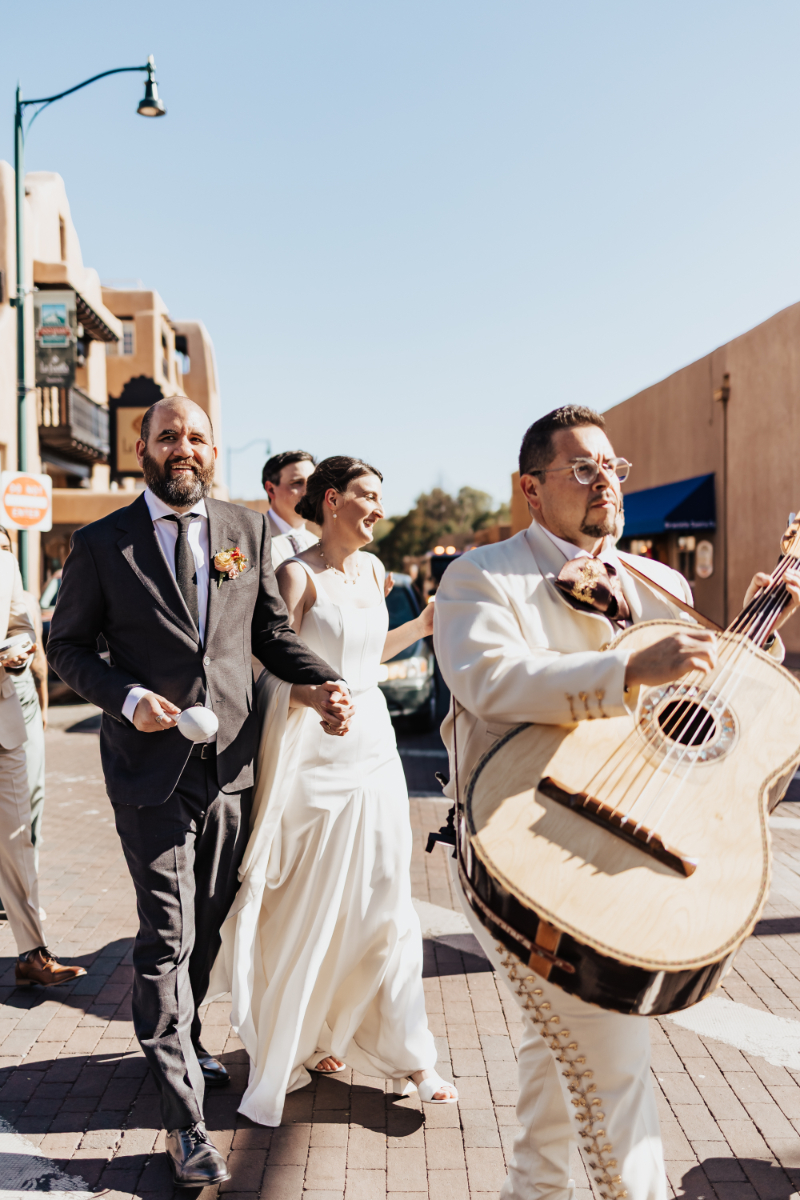
Photo Credit: Alicia Lucia Collective
Florist: artichokes & pomegranates
Guest Count, Venue, and Location: The Three Decisions That Shape Almost Everything Else
Three choices drive more of your spending than any others.
- Guest count multiplies nearly everything. Specifically, in the sample above, venue, food, and bar run about $300 per guest. Ten more guests adds roughly $3,000 before rentals and stationery.
- Venue sets the foundation. Some venues include tables, chairs, and lighting, while others start empty. Compare everything each venue includes alongside the rental fee.
- Location shapes prices across the board. Costs for vendors, travel, and lodging shift from city to city. If most guests are traveling, budget for welcome events and transportation too.
Overall, settle these three early, and the rest of the budget becomes much easier to build.
If an open-air setting is calling to you, see outdoor wedding venues in New Mexico for options beyond ballrooms.


Photo Credit: Alicia Lucia Collective
Florist: artichokes & pomegranates
Where to Invest, Where to Simplify, and Why “Worth It” Looks Different for Every Couple
One couple cares most about the photographs, while another cares about the music. Still, neither is wrong. In the sample, each percentage point equals $750, so moving five points between categories shifts $3,750.
Where Couples Often Invest
- Photography and video: At about $9,000 in the sample, this is the part of the day you keep.
- Planning support: Experienced guidance protects both your time and your budget.
- Food and drink: Guests remember how they were fed and welcomed.
- Your top priority: Whatever you named in the first section deserves the biggest share.
Where Couples Often Simplify
- Favors: Many guests leave them behind, so a small touch often goes further.
- Extra rentals: Rent what the day needs, and skip pieces no one will notice.
- Printed extras: A few well-designed pieces beat a full stack of paper.
- Repeated décor: Concentrate on a few focal points instead of every surface.
Rentals can quickly inflate a budget, so check out our guide to wedding rentals which shows what to prioritize and what to skip.
Leave Room for the Things You Didn’t Know You’d Need
Every wedding brings costs couples didn’t expect. Setting aside five to ten percent of your total budget keeps surprises from forcing hard choices. In the sample, that cushion is about $6,000.
Common surprises include delivery fees, overtime, alterations, and added lighting. Review each contract closely, since taxes, service charges, and gratuities can add up quickly. The cushion also covers upgrades you decide to make along the way.
Overall, treat that reserve as part of the plan from day one. When something unexpected appears, you can absorb it and keep your priorities intact.
Transportation and welcome touches often get added late. See how designing a wedding guest experience lets you plan them early.
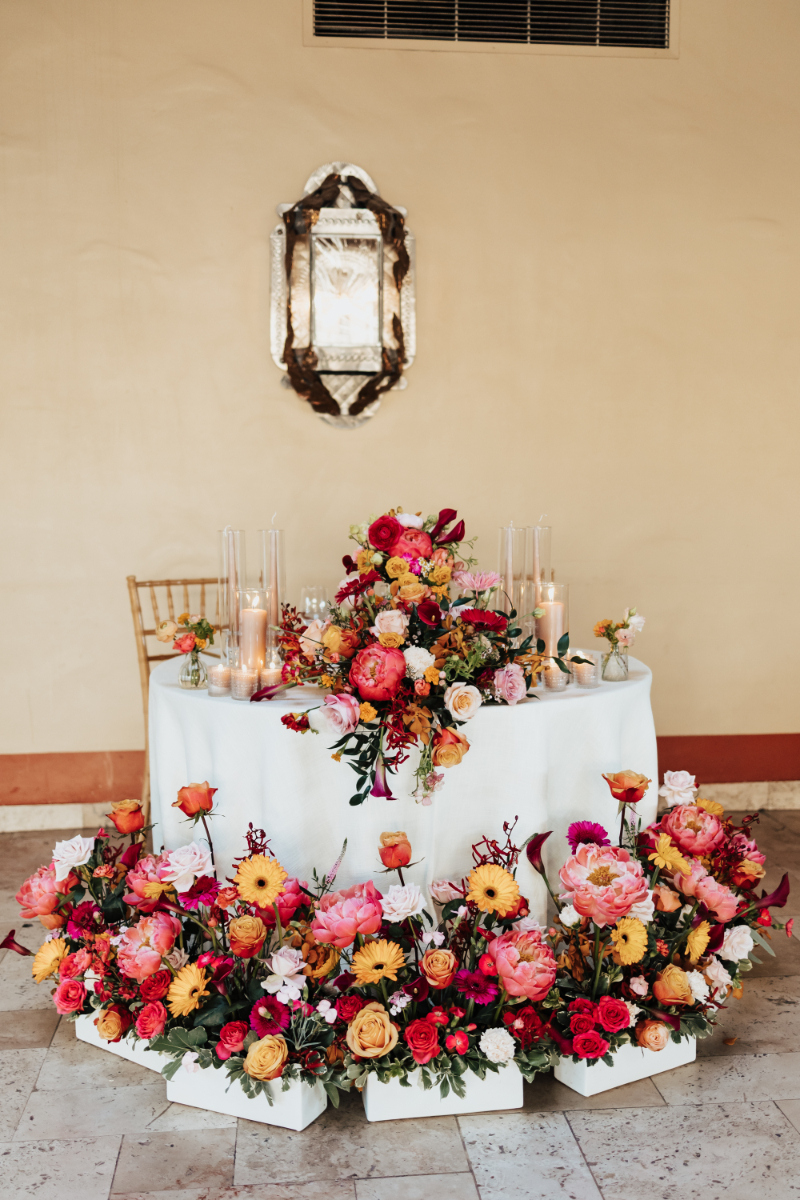
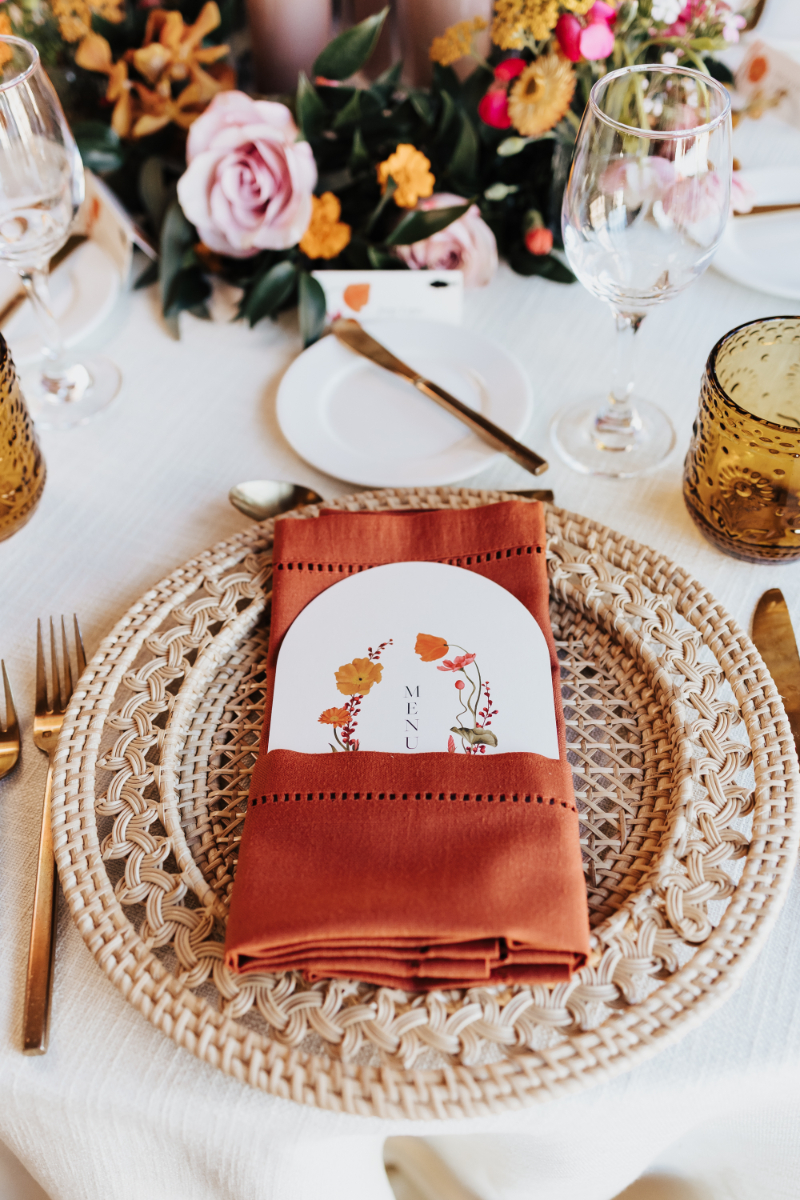
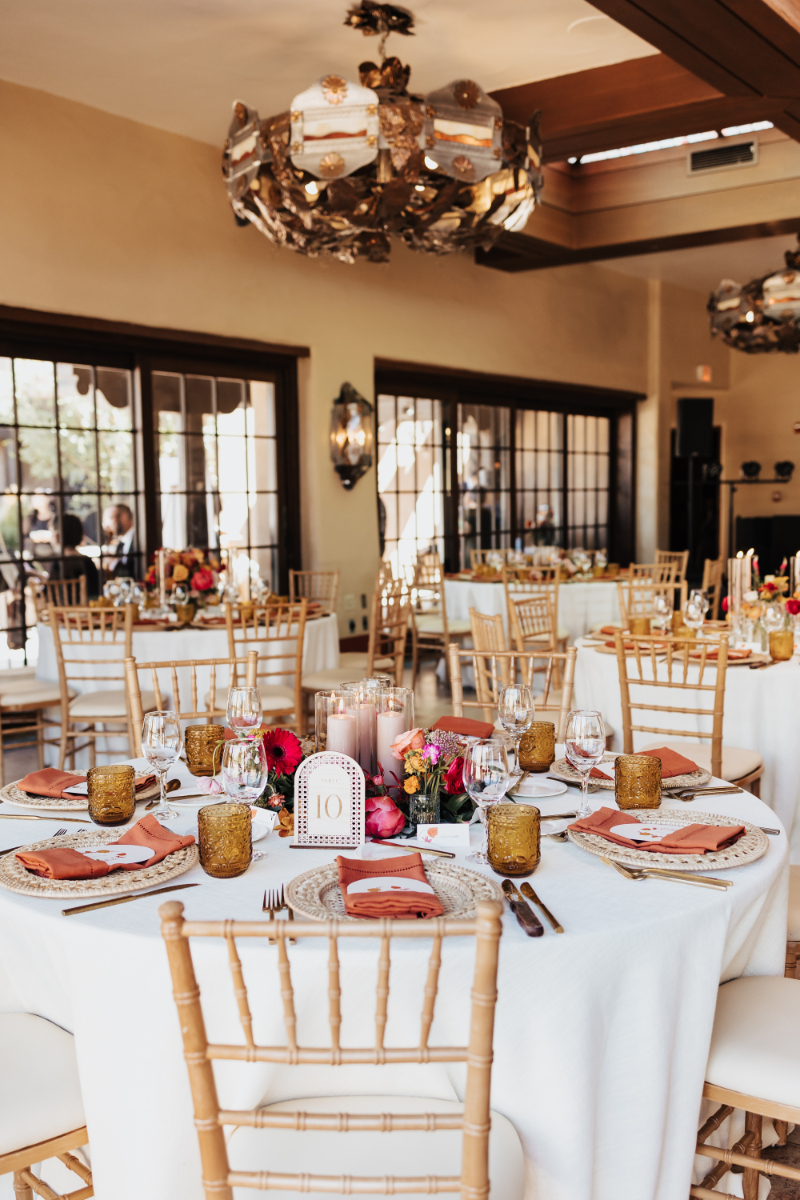
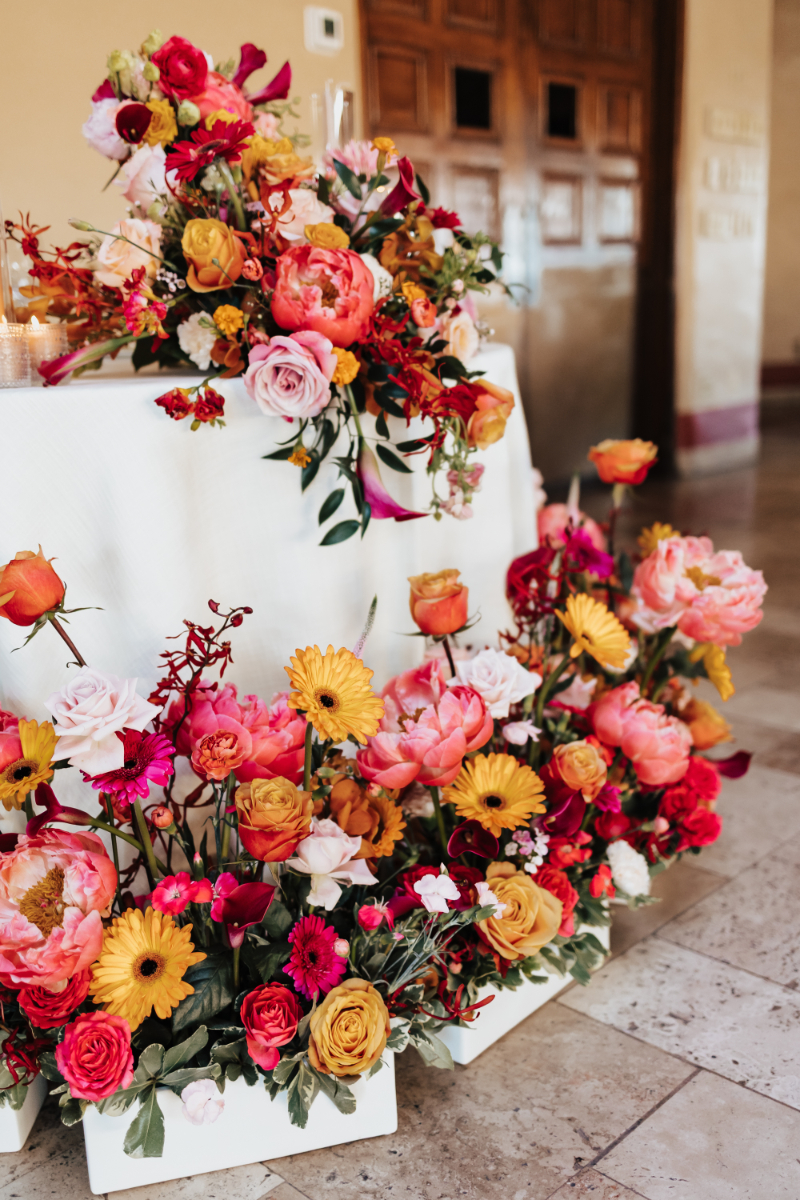
Photo Credit: Alicia Lucia Collective
Florist: artichokes & pomegranates
How to Budget for a Wedding With a Planner in the Room From the Beginning
A full-service wedding planner brings pricing knowledge from real events. They know what things cost in your market and where money quickly disappears. Planners also have relationships with other vendors, and those connections can often save you money in the long run.
Early involvement protects the budget in practical ways. A planner can compare quotes, spot hidden fees, and negotiate scope. They also track spending as decisions are made, so you never wonder where you stand.
Most importantly, a planner keeps the budget tied to your vision. Every recommendation traces back to what you said matters.
Curious what that support looks like in New Mexico? Learn more about our approach in Albuquerque wedding planners for stylish, intentional celebrations.
Photo Credit: Alicia Lucia Collective
Florist: artichokes & pomegranates
A Wedding Budget That Reflects What Matters Most
Knowing how to budget for a wedding starts with knowing what you care about. When priorities lead, the numbers support the vision instead of shrinking it.
From the napkin folds to the ceremony installation, every decision should serve the same feeling. When it does, the day feels generous, even within clear limits.
If you’re ready to learn how to budget for a wedding with real polish, we’d love to help. Learn more about our planning services, take a look at our portfolio, or contact us to get started!
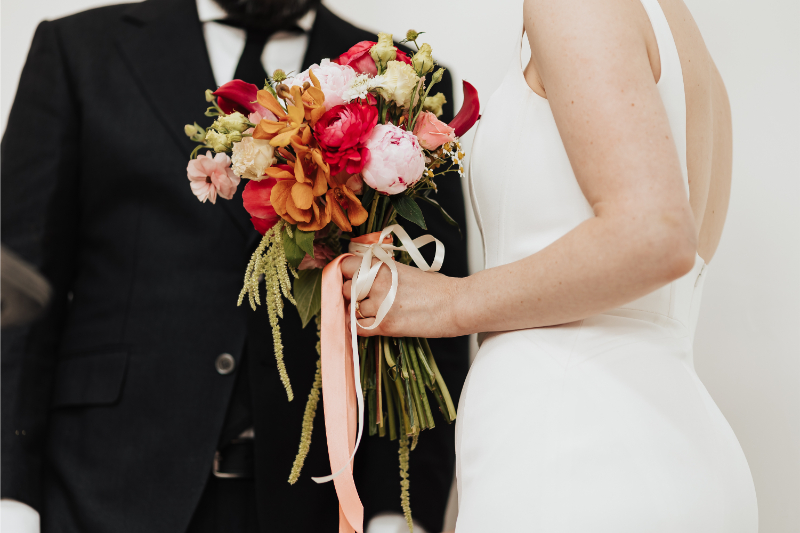
Photo Credit: Alicia Lucia Collective
Florist: artichokes & pomegranates
FAQs About How to Budget for Wedding
How much should I spend on a wedding?
There is no universal number for how much to spend on a wedding. The right total depends on your guest count, location, and priorities. Couples who choose our full-service planning and design package often budget $75,000 and above. Still, your total should start with what you can comfortably spend, including savings and family contributions. Once you have that number, treat it as a maximum and build every category beneath it.
What does a $75k wedding budget include?
A $75,000 wedding budget typically covers a curated venue, catering and bar, and design-forward florals. It also includes strong photography, live music, and full planning and design. That usually supports about 100 guests. Smaller lines like rentals, attire, stationery, and transportation fit within the total as well. Taxes, service charges, and a cushion for surprises belong in it too. Prices vary by location, season, and style.
What should I budget for first?
Budget for your guest count and venue first, since those two decisions shape nearly every other cost. Guest count drives catering, bar, rentals, and stationery. The venue sets your foundation, including what is included and what you must rent. Once both are settled, the remaining categories become much easier to price.
How do I split my budget between categories?
Start by giving your venue, catering, and bar the largest share, often about a third of your total or more. Set aside roughly ten percent for planning and design, plus five to ten percent as a cushion. Divide what remains among your other categories, with larger shares for your top two priorities, then multiply each percentage by your total to get a dollar target. As quotes arrive, move money between categories instead of adding to the total.
How much should I set aside for unexpected costs?
Many planners suggest setting aside five to ten percent of your total for unexpected costs. This cushion covers delivery fees, overtime, alterations, added lighting, and upgrades you decide to make along the way. On a $75,000 total, that is roughly $3,750 to $7,500. Keep it separate from your category amounts so it stays available when surprises appear.
What if costs keep rising?
If costs keep rising, revisit your priorities before you change your total. Protect the categories that matter most to you, then look for savings in the ones that matter least. Trimming the guest count is often the most effective option, since it lowers catering, bar, rentals, and stationery together. Simplifying decor, favors, and printed extras can also free up money without changing the feel of the day.


