A Tennessee destination wedding gives your guests a reason to travel and a place worth remembering. Mountain ridgelines, historic estates, and Nashville’s energy all sit within one state. That range is exactly why so many couples land here.
Hi! We’re Verdeaux & Co., a full-service wedding planning and design studio serving Tennessee and New Mexico. We design refined, intentional celebrations where the setting does real work. Because of that, we know which Tennessee settings reward traveling couples and which ones create extra work.
In this guide, we’re covering why couples choose a Tennessee destination wedding and how its regions differ. We’ll walk through venue types, weekend planning, and the questions to ask vendors early. Finally, we’ll share what a local planner makes possible.
If you’re dreaming of a Tennessee destination wedding, we’d love to help. Learn more about our planning services, browse our portfolio, or contact us to get started!
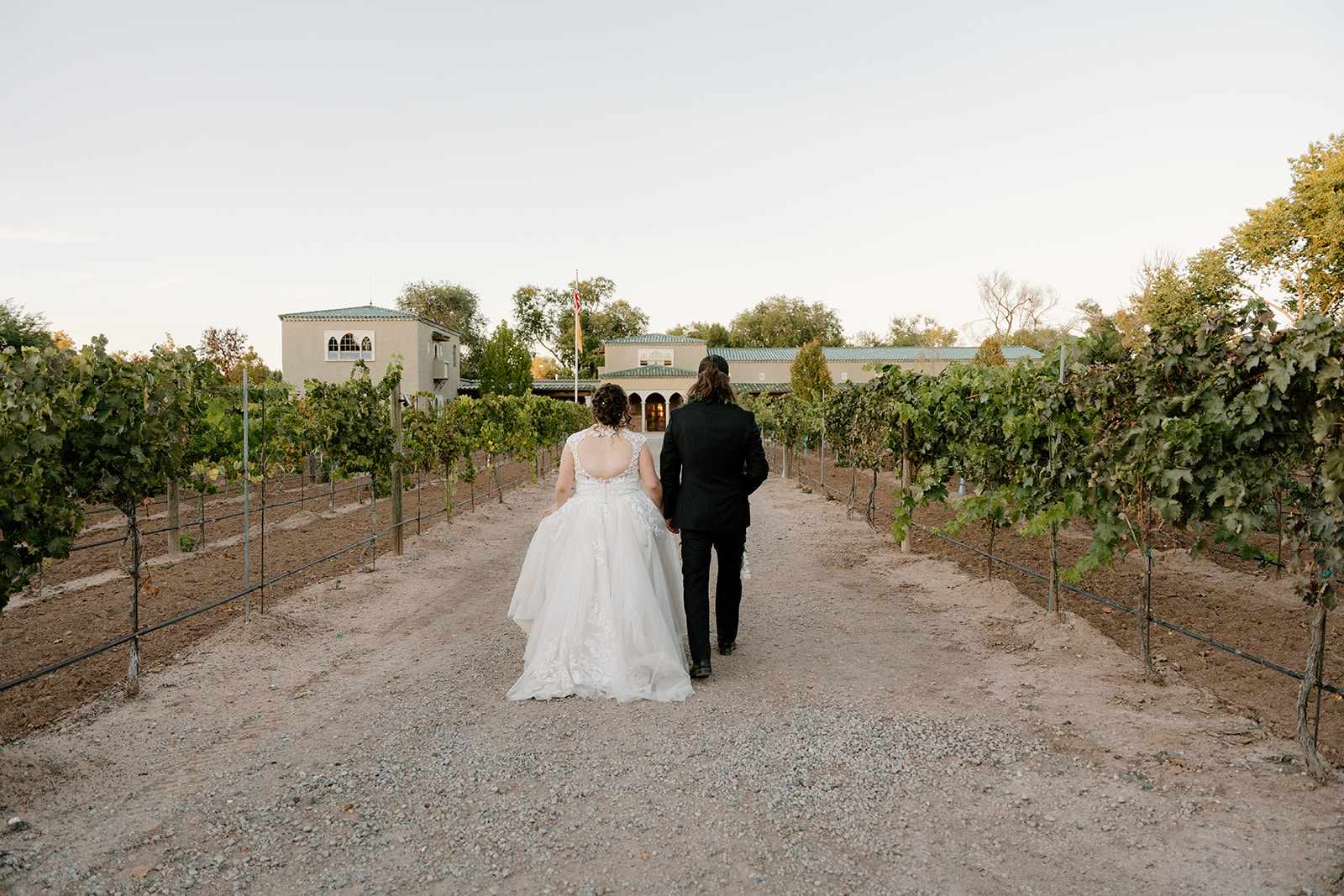
Photo Credit: Katherine Rose Co.
Why Couples Keep Choosing a Tennessee Destination Wedding
Tennessee earns its spot on destination shortlists for practical reasons as much as romantic ones. Here’s what couples have shared with us about why they chose a Tennessee destination wedding:
1. Scenery within reach
Mountain views, rolling farmland, and city skylines all sit within a few hours of each other.
2. Easy travel
Nashville’s airport serves a long list of nonstop routes, so guests rarely face complicated itineraries.
3. Real hospitality:
Southern warmth shapes the guest experience from the first welcome to the farewell brunch.
4. Four true seasons:
Spring blooms, golden summer evenings, fall color, and snowy winters each bring a different feel.
5. Range of venues:
Historic estates, farms, mountain properties, and urban spaces all exist here.
Together, these strengths make Tennessee a place guests are happy to travel for. That matters, because a destination wedding asks something of everyone invited. When the setting gives back, the effort feels worthwhile.
If these reasons sound like your own, planning a wedding in Tennessee covers what to know before you begin.
The Regions Worth Knowing: Nashville, the Highlands, the Mountains, and the Middle Ground
Tennessee stretches roughly 440 miles from east to west. Because of that, the region you choose shapes the entire weekend.
Nashville
Nashville suits couples who want energy, great restaurants, and an endless list of vendors. Historic mansions, converted industrial spaces, and boutique venues all sit close to the airport. Once they land, guests can fill a free afternoon with live music and Southern food.
The Highlands
The Cumberland Plateau offers privacy and elevation without a long trek. Jasper Highlands, for example, sits about 25 minutes west of downtown Chattanooga. Couples get mountain-top views while guests stay close to a real city.
The Mountains
East Tennessee brings the Smokies, Gatlinburg, and Maryville. Because they offer space and privacy, estates and cabins here favor multi-day celebrations. Fall color draws crowds, so popular weekends fill quickly.
The Middle Ground
Franklin, Murfreesboro, and the farmland around Nashville sit between city and wilderness. Farm estates and gardens offer open space with amenities nearby. For many couples, this region balances beauty and convenience best.
Want to compare specific properties in each region? Browse our guide to Tennessee wedding venues from the mountains to the city.
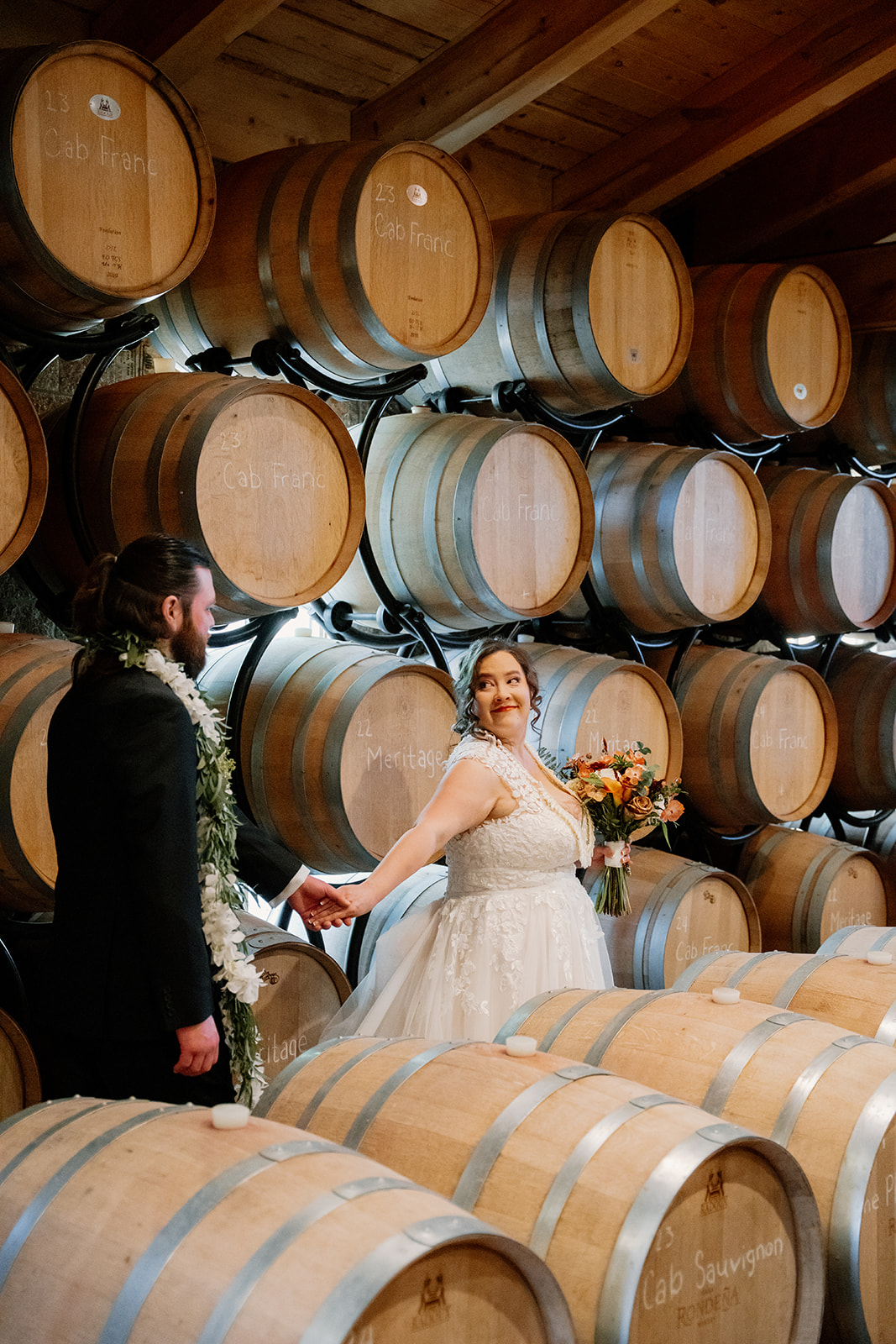
Photo Credit: Katherine Rose Co.
Venue Types That Work for Destination Couples (and the Ones That Create More Logistics Than They’re Worth)
A beautiful venue doesn’t always suit a guest list that is traveling. Some types simplify the weekend, while others add steps you may not expect.
- Venues with on-site lodging keep everyone together. Cabins and estate rooms remove shuttles from the equation, and the celebration continues naturally after the reception.
- Private mountain communities deliver views and privacy. Because access rules and vendor policies can differ from a typical venue, ask early.
- Historic estates and farms offer character and flexible layouts. Many allow a full weekend of events on a single property.
- Urban venues near the airport shorten travel time. Nashville’s converted spaces also come with strong vendor networks.
- Remote properties with no infrastructure create the most work. Power, restrooms, kitchens, and rentals all have to arrive from somewhere.
A good destination venue keeps the weekend simple for everyone traveling. Choose the one that gives your guests the easiest path from arrival to farewell.
If a private mountain community is on your list, Getting Married at Jasper Highlands, Tennessee shows what to ask first.
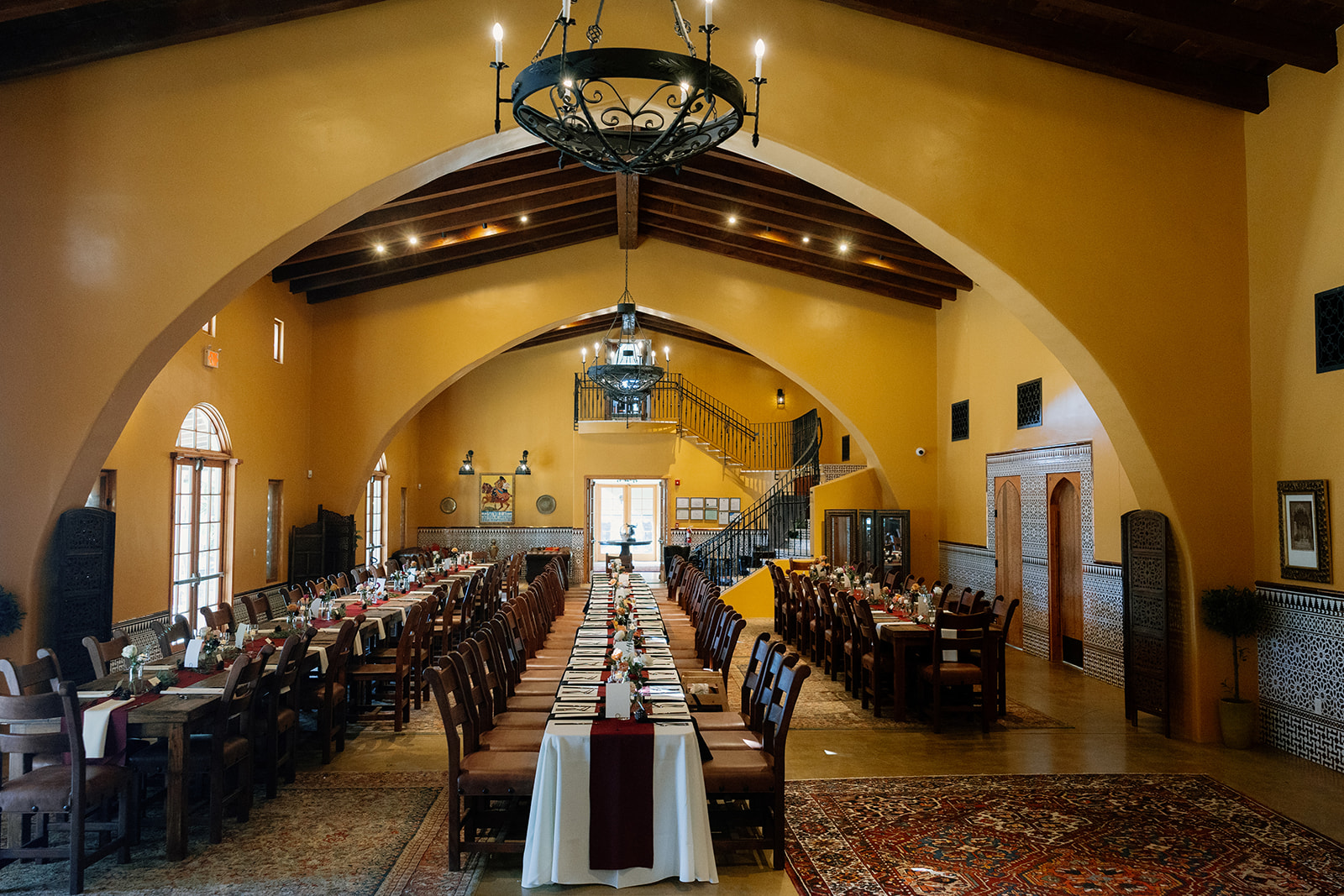
Photo Credit: Katherine Rose Co.
How to Plan a Destination Wedding Weekend That Your Guests Will Actually Talk About
Guests who travel want to feel the trip was worth it. A well-paced weekend gives them that, one stage at a time:
- Arrival/check in: Greet guests with a welcome bag, a printed itinerary of the weekend’s festivities, plus suggestions on what to do nearby to fill their downtime and make most of their trip.
- Welcome gathering: Host a relaxed evening, such as a casual dinner or cocktail hour, so everyone gets a chance to mingle before the wedding.
- Wedding day: Leave the morning open for guests to explore, and be sure to share clear transportation details in advance.
- Farewell brunch: End with a slow, low-key morning and a chance to properly say goodbye.
Small details do the heavy lifting between events. Local food, a thoughtful welcome bag with curated, local items, and a map of nearby favorites make the trip feel personal. Overall, guests will remember being cared for.
That first arrival moment deserves real design attention. Here’s how to style a wedding welcome table your guests will notice right away.
The Legal, Logistical, and Vendor Questions You Need Answered Early
A few questions easier to answer from home than from a hotel lobby the weekend of your wedding. Settle these before you finalize your plans.
The Marriage License
Tennessee marriage licenses come from a county clerk’s office. The state does not require residency, so out-of-state couples can apply. Plan to bring photo identification.
A license is valid for 30 days from the date it is issued. Because of that, applying close to the wedding keeps it from expiring. Confirm current requirements with the county clerk before you travel.
The Officiant
Tennessee has restricted who may legally officiate, and rules around online ordination have been contested. If a friend will officiate, confirm their eligibility with the county clerk first. Hiring a local officiant removes the question entirely.
Vendor Questions to Ask Early
- Travel fees: Ask whether each vendor charges for travel, lodging, or both.
- Local knowledge: Ask how often they have worked at your venue or in your region.
- Rentals and delivery: Confirm who delivers, sets up, and collects everything.
- Backup plans: Ask what happens if weather or illness changes the day.
Before you sign anything, read about wedding vendor red flags so you know which answers should give you pause.
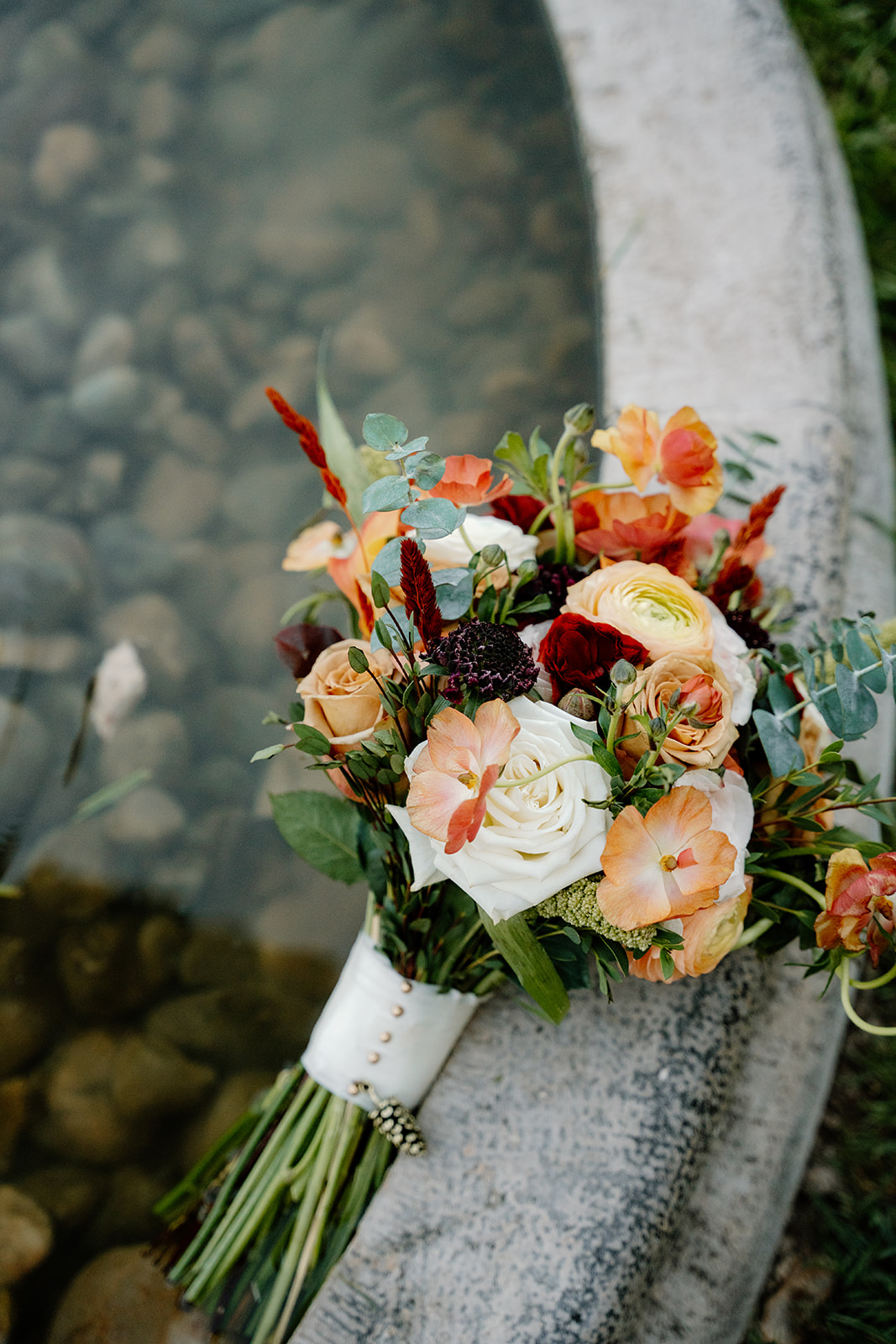
Photo Credit: Katherine Rose Co.
What a Local Planner Makes Possible That You Can’t Get Anywhere Else
You cannot meet with vendors every month from three states away. Instead, a local planner does that for you. They see the property in different seasons, speak with florists regularly, and know what is expected of each of your vendors.
Similarly, relationships matter just as much. A planner who works across Tennessee knows which caterers handle remote properties well. They also know which rental companies deliver reliably and which photographers know the light at each venue. That access saves time and prevents surprises.
On the wedding weekend, a planner is your presence on the ground. Vendors arrive, timelines hold, and guests find their way. Meanwhile, you stay free to enjoy the people who traveled to be with you.
Wondering what working together looks like? See Tennessee wedding planner services for what to expect from start to finish.
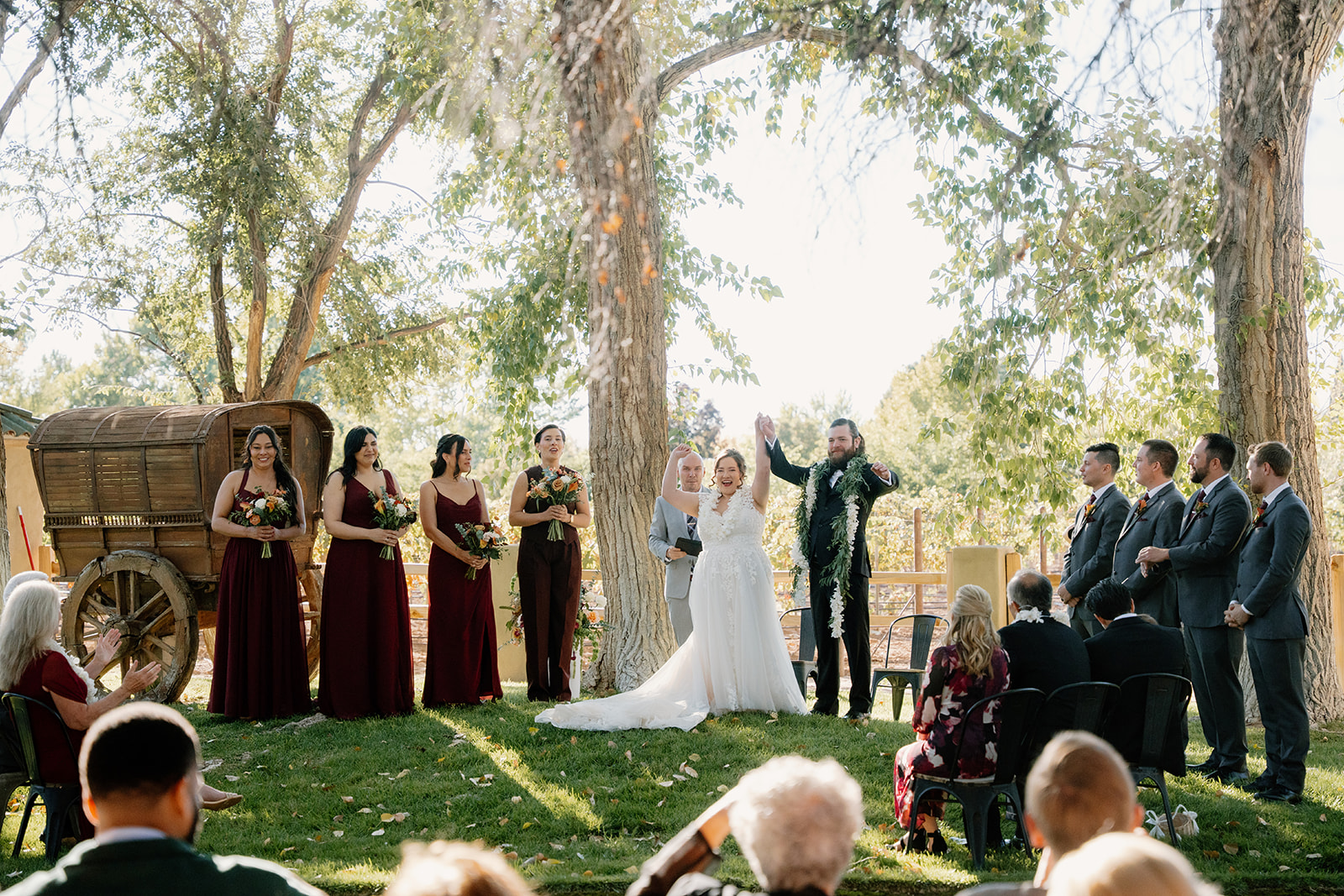
Photo Credit: Katherine Rose Co.
Planning a Tennessee Destination Wedding with Verdeaux & Co.
A Tennessee destination wedding rewards couples who plan with the whole weekend in mind. The right region, venue, and timeline turn a long trip into something guests treasure.
From license to lodging, every decision should support the same vision. When it does, the weekend feels effortless for the people traveling to celebrate you.
If you’re ready to plan a Tennessee destination wedding with real polish, we’d love to help. Learn more about our planning services, take a look at our portfolio, or contact us to get started!
FAQs About Planning a Tennessee Destination Wedding
How far in advance should we plan a Tennessee destination wedding?
Most couples begin twelve to eighteen months ahead. Popular venues book early, especially for fall weekends in East Tennessee and spring weekends in Nashville.
When is the best time of year for a Tennessee destination wedding?
Spring and fall are the most popular seasons for Tennessee destination weddings. Blooms sweep across Middle Tennessee in spring, while fall brings rich color to the mountains. Summer evenings are long and golden, and winter suits cozy, intimate celebrations.
Do we need to live in Tennessee to get married there?
No, the state does not require residency. You apply through a county clerk and bring identification. Confirm current details with the clerk before you travel.
How many days should a destination wedding weekend last?
Most run two to three days. A typical schedule includes arrival and a welcome gathering, the wedding day, and a farewell event.
Which airport should our guests fly into?
Nashville International Airport serves the widest range of nonstop routes. Chattanooga and Knoxville also have airports that suit nearby settings. Jasper Highlands, for example, sits about 25 minutes from Chattanooga.
Can we bring our own vendors?
Some venues keep preferred vendor lists, while others welcome outside teams. Ask before you sign a contract.
Do we need a planner for a Tennessee destination wedding?
A planner is not required. Still, distance makes local knowledge more valuable, since you cannot visit the property often or manage vendors in person.


