More often than not, the reception dress is seen as an optional extra, something to add if the budget allows. But that framing sells the moment short. The reception dress is a design decision in its own right. It deserves the same intention as everything else you’ve planned.
Hi! We’re Verdeaux & Co., a full-service wedding planning and design studio serving Tennessee and New Mexico. We design refined, intentional celebrations where every detail, including a change of dress, earns its place.
In this post, we’re covering when a second look makes sense and which silhouettes suit Nashville weddings. We’ll walk through coordinating your reception dress with your florals, plus the styling details that make the change feel effortless. Finally, we’ll share how to time it so the night keeps moving.
If you’re planning a wedding in Tennessee, we’d love to help. Learn more about our planning services, browse our portfolio, or contact us to get started!
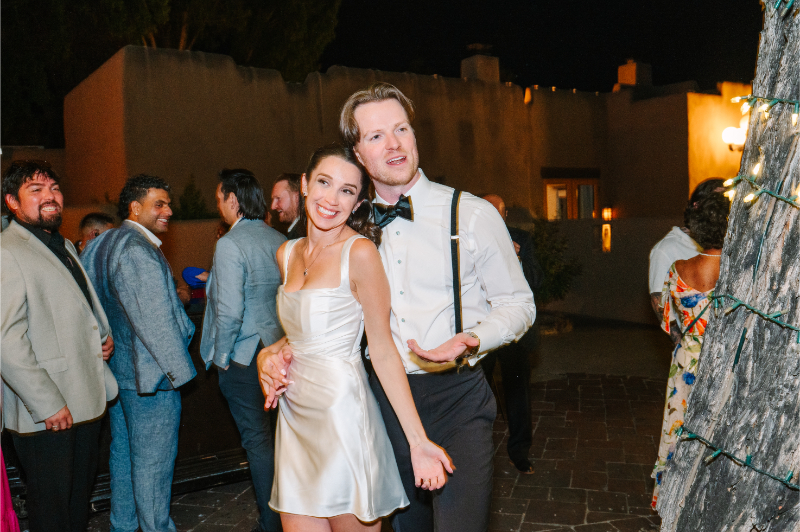
Photo Credit: Maura Jane Photography
The Reception Dress Is a Design Decision — Here’s How to Approach It Like One
Most couples plan their ceremony look in exhaustive detail. Then, they treat the reception dress as an afterthought, sometimes not deciding until weeks before the wedding.
What couples don’t realize is a second look carries real design weight:
- Shapes your photos for the second half of the day
- How you move on the dance floor
- How you personally experience your own wedding
Treating it as a late add-on wastes that opportunity. Because the reception dress appears in nearly as many photos as your ceremony gown, it deserves the same early planning. A rushed choice can feel disconnected from everything else you’ve designed.
Naturally, couples who plan this dress alongside their gown and wedding design end up with a look that feels intentional. It reads as chosen, not improvised.
Curious how other styling choices shape a wedding’s overall feel? Our post on western wedding style in Tennessee is a good next read.
When a Second Look Makes Sense (and When It’s One Change Too Many)
Once you understand why this decision matters, the next question is practical: does your wedding need a reception dress? Not every celebration calls for one.
When It Makes the Most Sense
A second look works best for weddings with contrast between the ceremony and reception. A formal church service followed by a lively dance party-reception is a good example. The reception dress change marks that shift for you and your guests alike.
Similarly, comfort plays a legitimate role. Long trains, heavy fabric, or elaborate beading that photograph beautifully during vows can become impractical once dancing begins.
When One Change Is Enough
Still, restraint matters here too. Couples with a shorter reception window, or an already tight timeline, may find a second look adds stress.
Formality expectations shape more than just your own outfit. Our guide to wedding dress codes walks through how to set that tone for your whole guest list.
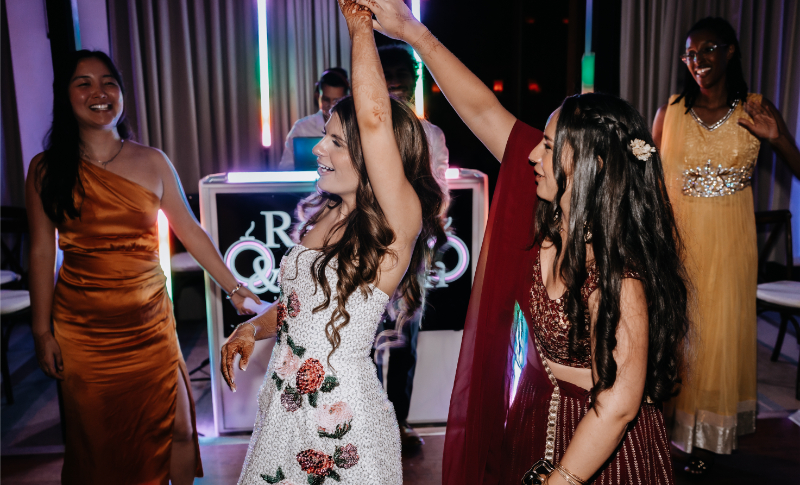
Photo Credit: David Jesse Photography
Silhouettes and Styles That Work for Nashville Weddings Specifically
Once you’ve decided you want to go for the second look, the silhouette is the next real decision. Nashville’s venues and climate both influence which styles perform well here.
1. Slip-Style or Fitted Column
A slip-style or fitted column silhouette suits Nashville’s warmer months especially well. Lighter fabric and a slimmer cut hold up far better on a dance floor than a heavily structured gown.
2. A Shorter Hemline
Meanwhile, a shorter hemline solves a practical problem many brides don’t anticipate: navigating outdoor courtyards or uneven historic flooring. Nashville’s industrial and historic venues often include exactly those details.
3. Retro-Inspired Cuts
Retro-inspired silhouettes have found traction here too, particularly for couples drawn to the city’s vintage character. A tea-length cut or a fitted bodice with skirt movement photographs beautifully against Nashville’s brick and hardwood interiors.
If retro caught your eye, our full guide to retro wedding dresses breaks down how the silhouette works best.
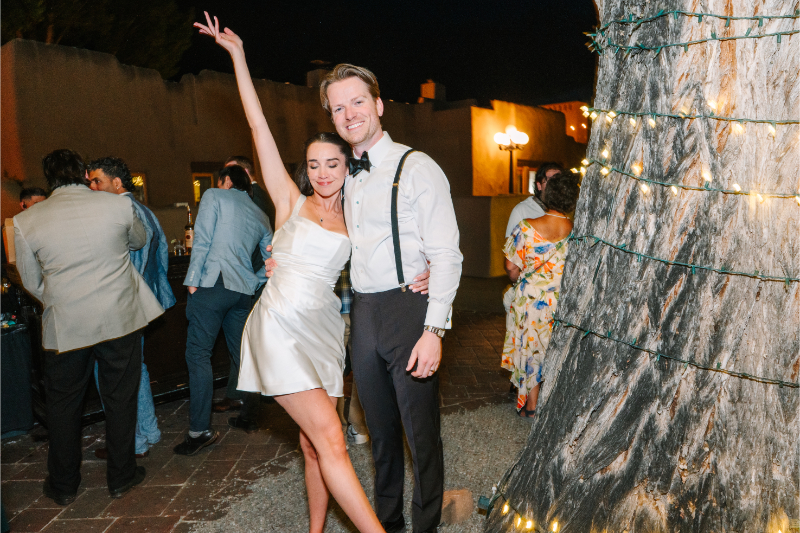
Photo Credit: Maura Jane Photography
Coordinating Your Reception Dress With Your Florals and Overall Wedding Aesthetic
Once the silhouette is decided, coordination becomes the next priority. A reception dress that ignores the rest of your design reads as disconnected, even when the dress itself is beautiful.
- Color deserves particular attention. A stark white reception dress can clash with a warmer, romantic floral palette. Ivory or blush tones, by contrast, tend to blend more naturally across your full design story.
- Similarly, your bouquet should echo the same restraint. If you’re carrying flowers into the reception, keep the arrangement simple. An overly elaborate bouquet can compete with, rather than complement, a simpler second look.
- Think of the dress as a design element, not a costume change. It appears throughout dancing and your grand exit. Treating it as part of your broader aesthetic keeps that stretch of the evening feeling cohesive.
Our guide to bridal bouquet ideas has more on pairing blooms with your exact look.
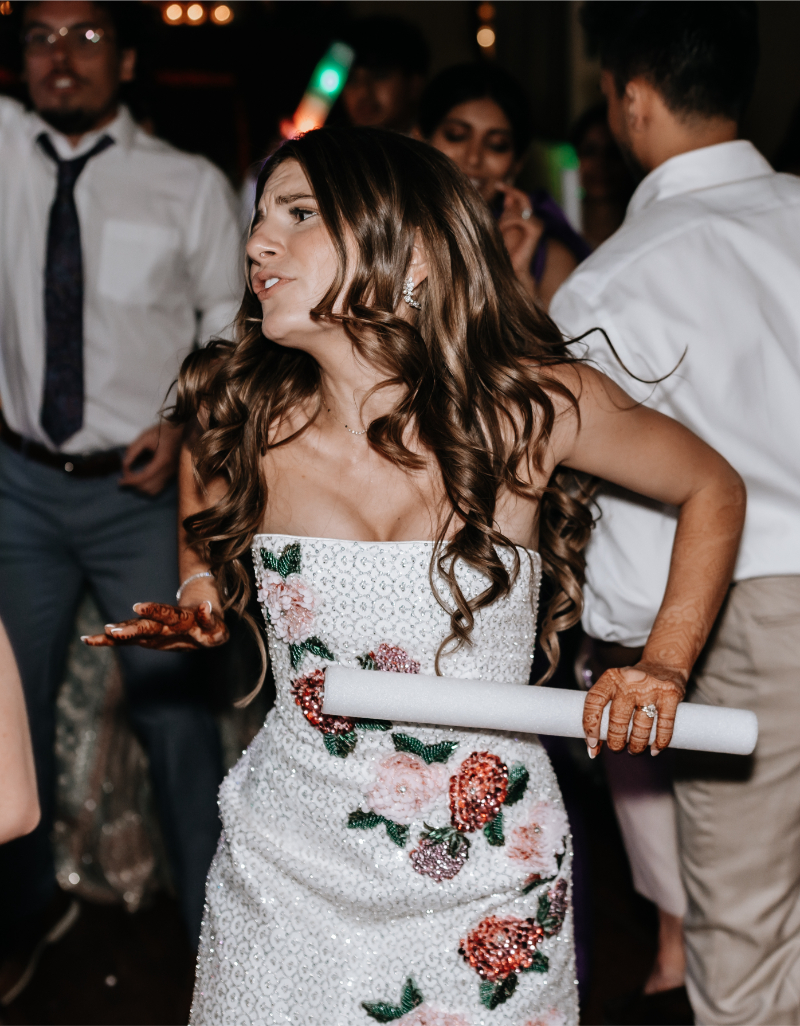
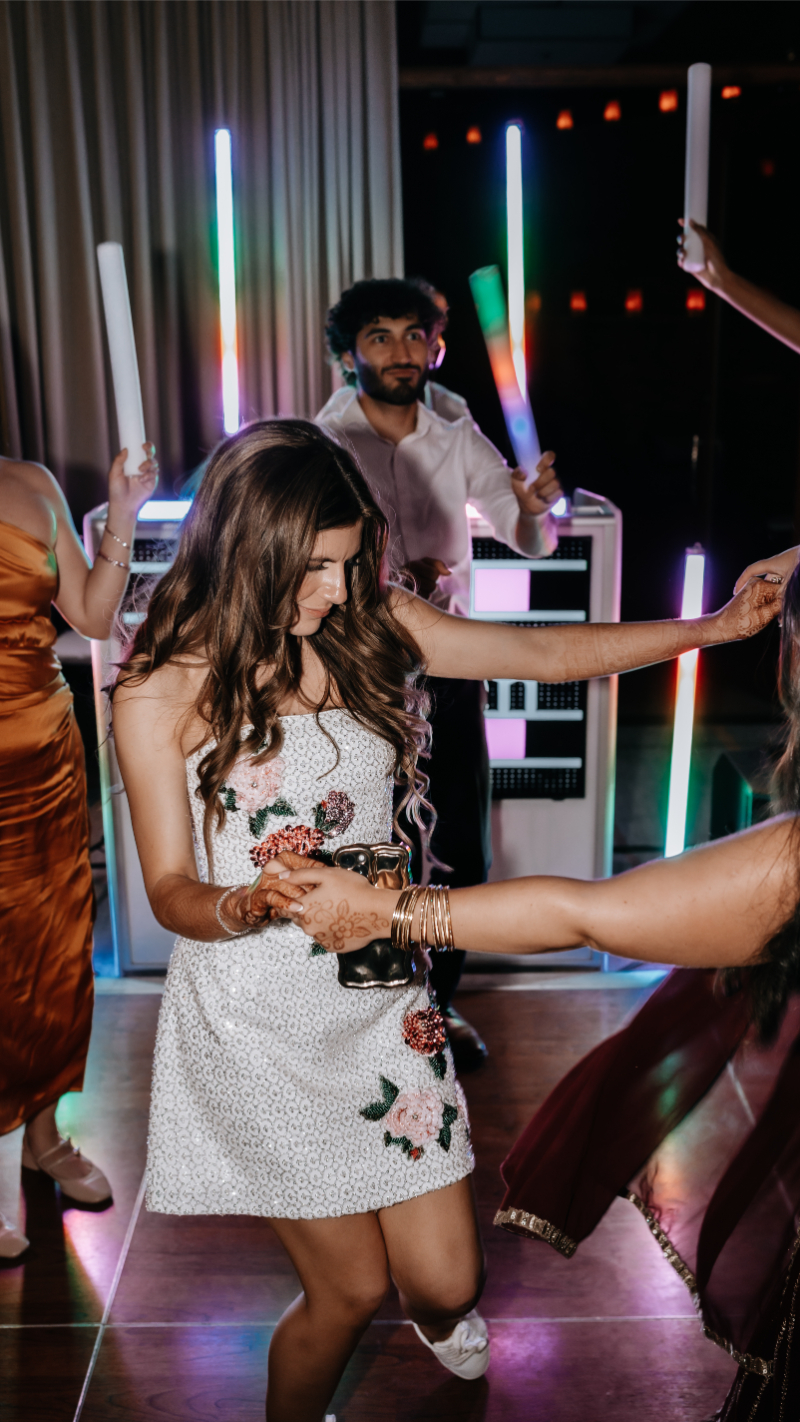
Photo Credit: David Jesse Photography
Hair, Accessories, and the Styling Details That Make the Transition Feel Effortless
With coordination settled, execution is what actually brings the change to life. Small styling adjustments make the difference between a seamless transition and an obvious wardrobe break.
A few easy ways to mark the shift without a full restyle:
- Hair: Remove a veil or add a few loose pieces. A dramatic change isn’t necessary.
- Jewelry: Swap in a bolder earring or a different metal tone.
- Shoes: Plan a dance-floor-appropriate pair in advance so there’s no last-minute scramble.
Overall, each signals the transition on its own. Together, they make the change feel effortless.
Looking for more ways to carry one look through a full wedding day? Our post on country wedding styling for Tennessee couples covers similar ground.
Timing the Change So It Flows Into the Night Without Disrupting the Energy
With styling decided, timing is the final piece. A poorly placed dress change can stall a reception’s momentum right when it’s building.
- Choose a natural lull. Right after dinner service, or just before dancing begins, both work well. Guests barely notice a change that lines up with a moment already built into the evening.
- Give it a dedicated slot. Most receptions run on a tight schedule. Because of that, this change needs space on your timeline.. A planner typically budgets fifteen to twenty minutes for the reception dress change.
- Let it read as a reveal. You can also make the wardrobe change a whole moment and leave the dance floor to come back for a big reveal. When guests see you return in a new look, it brings a whole new wave of excitement.
Wondering where else this kind of moment fits into your day? Our guide to wedding day order of events maps out a well-paced wedding day timeline from start to finish.
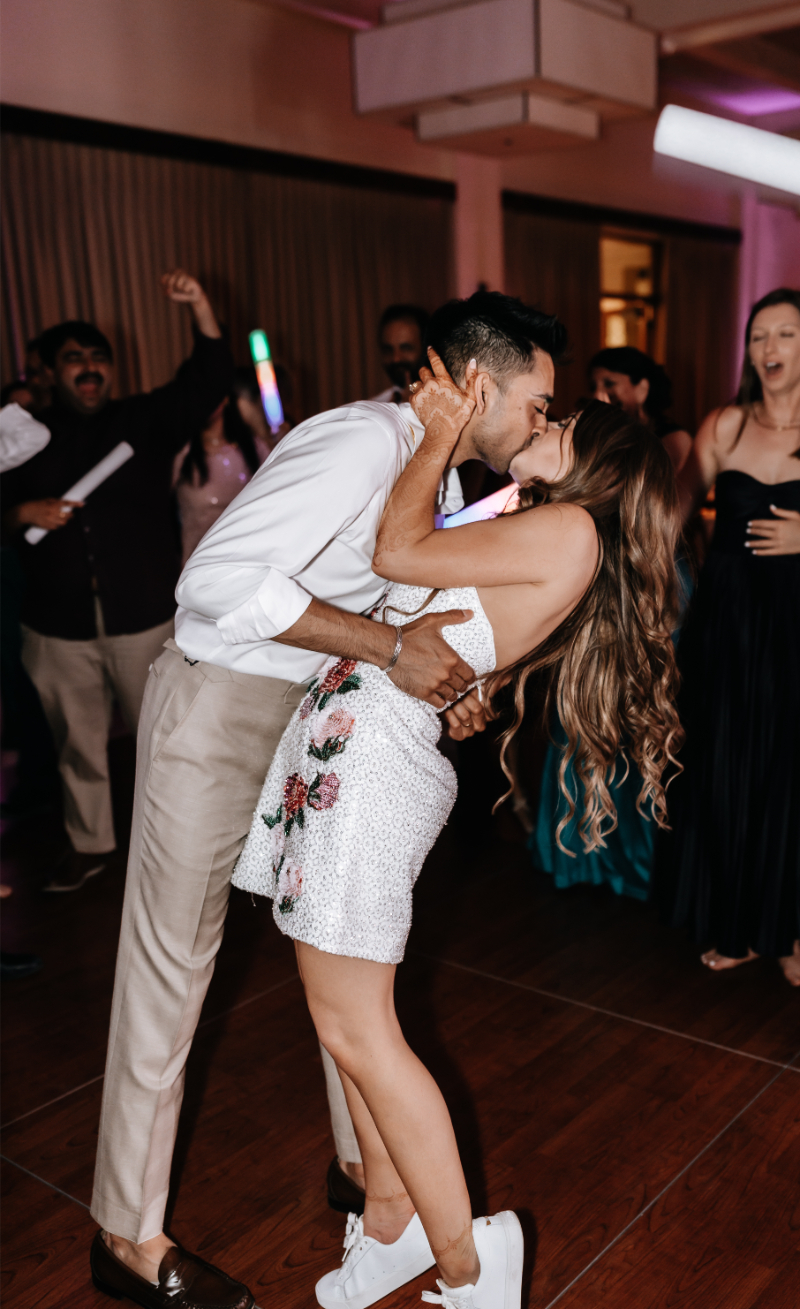
Photo Credit: David Jesse Photography
A Second Look Planned With Intention
The reception dress deserves more thought than a last-minute add-on typically receives. When planned alongside your ceremony look and overall design, it becomes a genuine moment rather than a simple wardrobe change.
From silhouette to styling to timing, every decision here should reflect the same intention carried throughout your wedding day. When it does, the change feels like part of your story, not a break from it.
If you’re considering a reception dress and want it planned with real polish, we’d love to help. Learn more about our planning services, take a look at our portfolio, or contact us to get started!


