A Highlands wedding in Tennessee offers something most venues cannot manufacture. For instance, real scale, real peace, and a landscape deeply connected to place. Couples are drawn to it for the views, but they stay drawn to it because of how it feels. The Highlands are elevated, unhurried, and grounded in something that doesn’t compete for attention.
But before we dive in — hi! We’re Verdeaux & Co., a full-service wedding planning and design studio serving Tennessee. We specialize in immersive, design-forward celebrations where architecture, landscape, and guest experience feel intentionally connected. When we plan a Tennessee Highlands wedding, our focus stays on balance. We honor the terrain while building something personal, cohesive, and effortless.
Here, we cover what this setting actually feels like. We’re also addressing the terrain layout, design choices, seasonal timing, and what to look for in a planning team. Whether early in the process or simply curious about this landscape, this guide is your starting point. And when you’re ready to plan your Highlands wedding, learn more about our planning services, browse our portfolio, or contact us to get started!
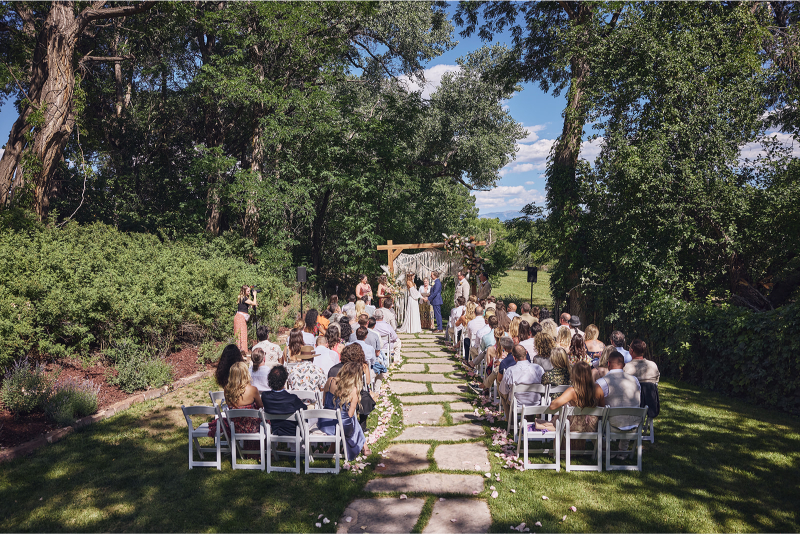
Photo Credit: Christian Oth Studio
There’s a Reason Couples Keep Choosing the Highlands
The Highlands are having a moment, but the appeal isn’t new.
For generations, Tennessee’s elevated terrain has drawn couples seeking space and stillness. That pull hasn’t faded. If anything, couples today are more drawn to the Highland settings than ever.
A venue here has natural authority.
- The landscape does visual work without over-the-top décor
- Views from elevated terrain create a sense of arrival for guests
- The setting establishes atmosphere before the ceremony even begins
- Privacy comes built-in, especially on private estates and ridgeline properties
- Elevation signals intention, telling guests this celebration was considered
There’s also a practicality to it. Unlike purpose-built event venues, a venue set in the Highlands forces couples to think carefully about every design decision. Ultimately, that constraint produces something powerful: celebrations that feel cohesive.
The interest in Highlands weddings isn’t just aesthetic. Besides aesthetic, it reflects a broader shift toward experience-forward celebrations that feel rooted in place rather than staged within it. When the environment already tells a story, the design can stay refined and edited.
That story begins the moment guests arrive. Understanding what a Highlands setting actually feels like is the first step toward using it well.
If you’re still in the early stages, our guide to planning a wedding in Tennessee covers the foundational decisions that shape everything from venue selection to vendor timing.
The Light, the Elevation, and the Silence: What a Highlands Setting Feels Like
Most venues can be described on paper. A venue in the Highlands has to be experienced to be fully understood.
Still, there are qualities that translate well enough to be useful.
The light behaves differently at elevation.
At higher altitudes, golden hour arrives with more warmth and lingers longer. Morning light feels crisp and directional. Afternoon sun softens earlier than at lower elevations. For photography and ceremony timing, this matters more than most couples expect.
The silence is part of the atmosphere.
Sound travels differently in open terrain. During a ceremony, guests hear what they’re meant to hear — vows, music, nature. There’s no ambient noise from traffic or nearby developments to pull attention. Because of this stillness, the emotional tone of the entire event is shaped.
Elevation changes how guests feel physically.
This isn’t about discomfort. It’s about presence. The air feels cleaner. Views feel earned. Guests slow down naturally. That change in pace encourages exactly the kind of immersive experience that elevated weddings are designed around.
Scale shifts perception of design.
A floral installation that reads beautifully in a ballroom may disappear against a ridgeline. Conversely, a restrained design that feels minimal indoors can feel perfectly proportioned with mountain views behind it. Designing for this scale is a specific skill.
That scale shapes something more practical: where you place your ceremony, how guests move, and what your layout can accomplish.
For more visual and atmospheric inspiration, our Tennessee mountain wedding post walks through what can make Highland weddings feel so timeless and how couples have brought that to life.
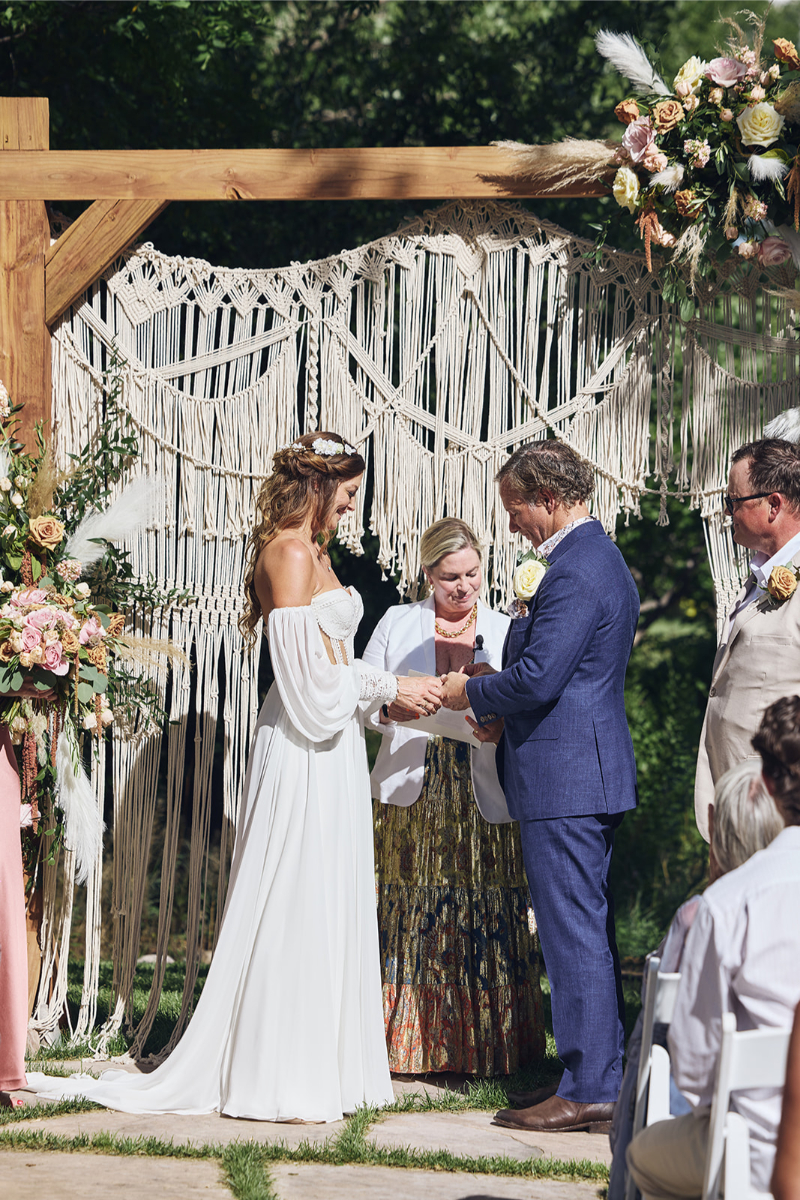
Photo Credit: Christian Oth Studio
How the Terrain Shapes Your Ceremony Layout and Guest Flow
Terrain is not a backdrop, it’s a structural variable that shapes every layout decision.
In a Tennessee Highlands wedding, the land itself determines what’s possible. Slopes, ridgelines, clearings, and site access all influence where ceremonies happen, how guests arrive, and how events transition.
Here’s what terrain typically requires you to plan for:
- Ceremony orientation. Sun position at elevation changes quickly. West-facing ceremonies during golden hour can mean guests squinting into the light. Site visits at your exact ceremony time are essential.
- Ground stability and surface. Grass and natural terrain require flooring for dining and dancing. Uneven ground also affects heel-friendly pathways, tent staking, and layout for guests with mobility needs.
- Guest flow between phases. On Highland terrain, elevation changes between zones require clear signage, lighting along pathways, and sometimes transportation for guests.
- Wind and acoustic planning. Open ridgelines experience wind. Sound systems need to account for this. Ceremony structures and seating orientation both help mitigate it.
- Load-in access. Many Highland properties have limited vehicle access. Vendors may need hand-carry plans, longer setup windows, and coordinated arrival sequences.
When terrain is mapped early, it stops being a constraint and starts being a design tool. The layout begins to feel intentional rather than improvised.
Once you understand the terrain, the next question is how to design within it. Style decisions either complement the Highland environment or work against it.
One often-overlooked layout decision is ceremony start time. Our post on what time weddings start explains how sun direction, season, and elevation all factor into that choice.
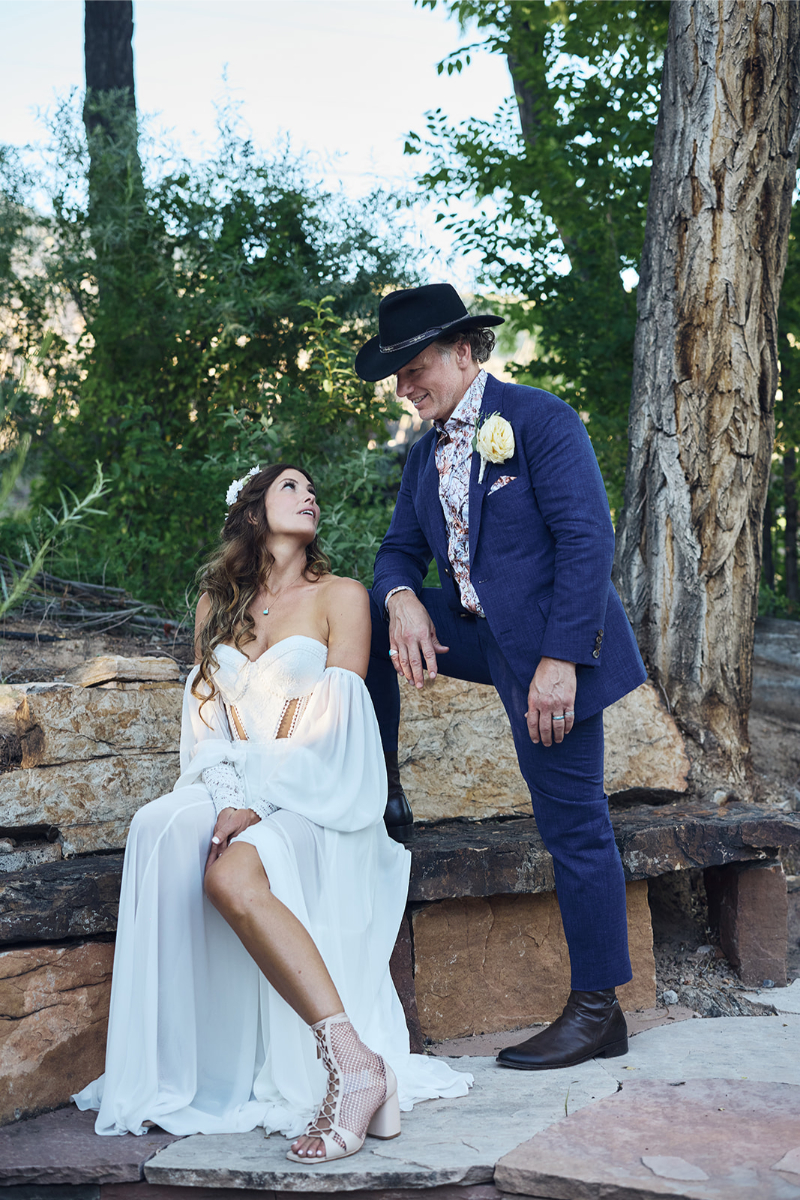
Photo Credit: Christian Oth Studio
The Design Choices That Belong in a Highlands Wedding (and the Ones That Don’t)
The Tennessee Highlands have an aesthetic language. Working with it produces something elegant. On the other hand, designing against it produces something that looks out of place.
Design choices that translate well here share one key quality: they respond to scale, texture, and natural context instead of ignoring them.
What belongs:
- Organic florals with movement. Loose arrangements, trailing greenery, and sculptural stems read beautifully against landscape.
- Tonal, nature-forward palettes. Warm neutrals, sage, slate, dusty blush, and deep green feel grounded in the terrain.
- Textural linens and natural materials. Linen, stone, wood, and aged metals complement the environment. They reinforce a sense of place.
- Candlelight and warm lighting. As evenings cool, soft lighting creates warmth and depth that harsh uplighting simply doesn’t.
- Restrained décor overall. The setting provides drama. Design can stay edited and refined.
What doesn’t translate:
- Heavy, ornate floral structures that block views guests came to see
- Ballroom-style layouts that ignore how terrain and space actually flow
- Bright white or ultramodern elements that feel imported rather than rooted
- Designs that prioritize trend over environment
The strongest Highlands wedding feel inevitable, like the design could only have happened in that specific place.
Timing plays a similar role. The season you choose shapes the light, the palette, and ultimately how the entire highland experience unfolds.
If you’re still building your aesthetic direction, our post on wedding vision board ideas walks through how to translate inspiration into a cohesive plan that works with your venue and setting.
Timing Your Highlands Wedding for the Season That Matches Your Vision
Season shapes everything from color palette to guest comfort to available light. For a Highlands wedding, those seasonal shifts are even more pronounced.
Each season offers distinct advantages and trade-offs worth understanding before committing to a date.
Spring
Wildflowers and soft greens return early to the terrain. Temperatures are mild but unpredictable. Rain and wind are both possible, so flexible tenting plans and backup timelines matter.
Best for: garden-inspired design, soft palettes, couples who prefer moderate temperatures.
Summer
Long daylight hours allow for relaxed event pacing and extended golden hour. Midday sun at elevation can be intense, so ceremony orientation and shaded guest areas matter more here than elsewhere. Evenings typically cool beautifully.
Best for: open-air receptions, larger guest counts, full weekend experiences.
Fall
Fall is the most popular season for a Tennessee Highlands wedding, and for good reason. Foliage creates built-in richness across the ridgelines. Temperatures drop noticeably after sunset, so lighting, heaters, and layered textures become essential. Venues book early, sometimes 18 months in advance.
Best for: warm candlelit aesthetics, rich tonal florals, dramatic scenery.
Winter
Highland terrain in winter feels minimal and architectural. Without full foliage, views extend farther. Indoor estates and thoughtfully designed tented spaces create beautiful results.
Best for: modern or minimal design, intimate guest counts, couples who want a distinctive and less-expected aesthetic.
After the season is set, the next major decision is who will help you execute it. In the Tennessee Highlands, planning experience matters significantly.
If you’re also exploring highland-adjacent venues in East Tennessee, our guide to Knoxville wedding venues shares standout spaces.
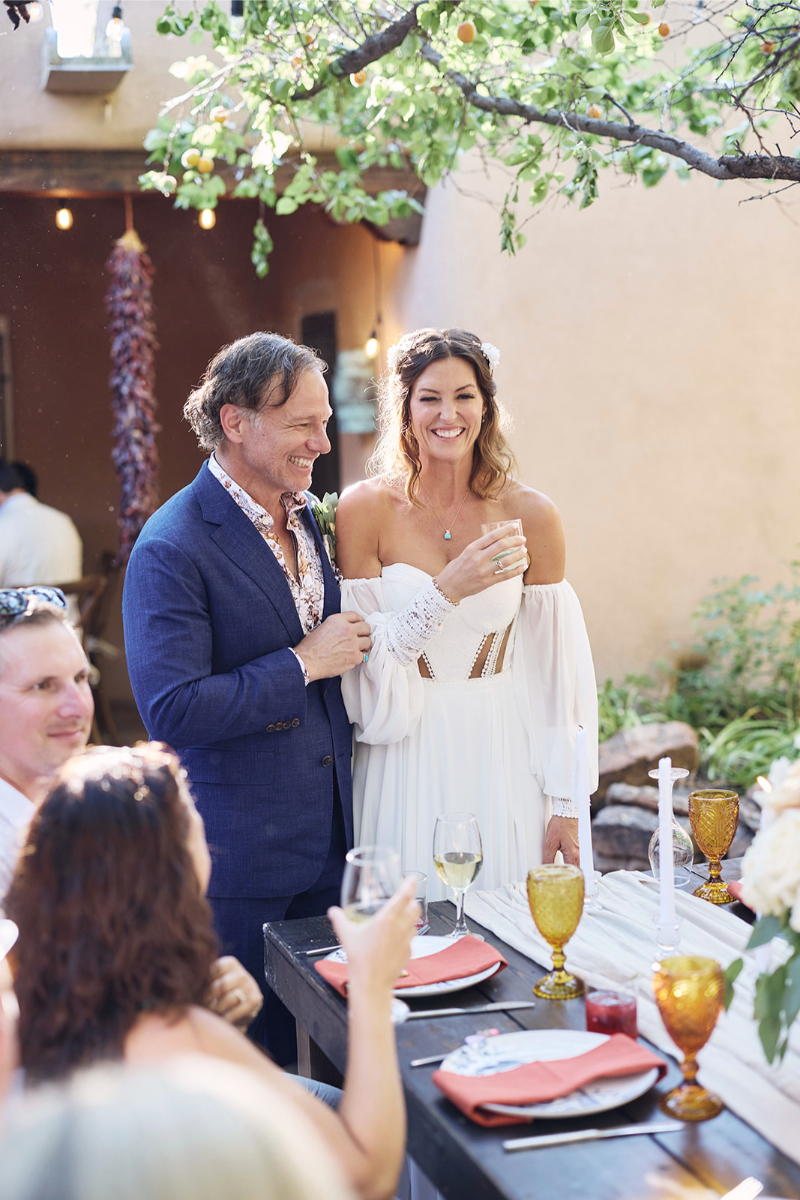
Photo Credit: Christian Oth Studio
What to Look for in a Tennessee Highlands Wedding Planner
Not every planner has worked in the Tennessee Highlands, and that experience gap shows in the final result.
A Highlands wedding requires a specific planning competency that goes beyond aesthetics and into logistics, site management, and weather strategy.
When evaluating a planning team for your Highlands wedding, look for:
- Site visit experience. A planner who has personally executed events in this terrain understands sun direction, load-in logistics, and venue-specific challenges in a way no research can replicate.
- Vendor relationships in the region. Highland properties often require vendors comfortable with remote access and limited power. A planner with established regional relationships brings a network that performs reliably.
- Weather contingency planning. This is non-negotiable. Planners experienced in planning a Highlands wedding will build layered contingency plans proactively, not when a forecast shifts 48 hours out.
- Design fluency with the environment. Beyond logistics, you want a team that understands how to design in response to terrain rather than on top of it. That distinction shows up in every aesthetic decision.
- Experience with multi-day events. Highlands wedding venues attract guests who travel. A planner who has executed welcome events, rehearsal dinners, and farewell experiences can shape the full wedding weekend with the same intentionality.
Full-service planning is especially valuable in this setting because the stakes of each decision compound. Site access, tenting, vendor sequencing, and weather contingencies all interact to execute a flawless wedding day.
When those layers are managed proactively, the celebration feels effortless. The terrain asked more of everyone behind the scenes, but guests never feel it.
To learn more about how we approach full-service wedding planning in Tennessee, visit this post to see our work and how we guide couples through complex, design-driven celebrations from start to finish.
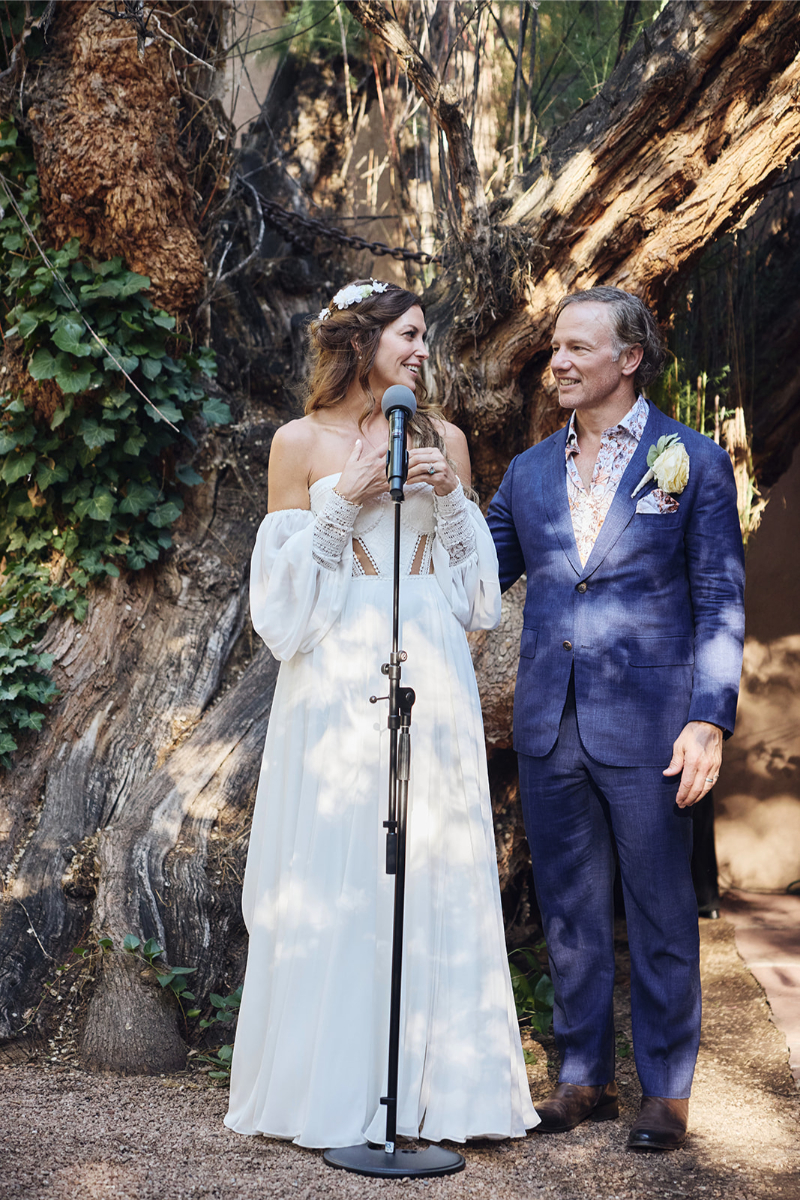
Photo Credit: Christian Oth Studio
Let’s Plan Your Tennessee Highlands Wedding
A Tennessee Highlands wedding rewards couples who plan with intention. The terrain, the light, and the elevation all contribute something that cannot be manufactured. But those same qualities require more thoughtful preparation than most venues demand.
From site selection to design decisions, every choice for a Highlands wedding carries more weight. The good news is that intentional planning makes all of it visible. When each decision is made well, the result is something distinctly memorable — grounded, elevated, and entirely its own.
At Verdeaux & Co., we guide couples through Highlands weddings with clarity, structural planning, and design that responds to the environment. If you’re envisioning a celebration rooted in this beautiful Tennessee terrain, we’d love to help you build it.
Learn more about our planning services, take a look at our portfolio, or contact us to get started!


